Business
7 min readChauffeur travel around a day of meetings
The value of a chauffeur on a working day is not the car. It is the forty minutes between appointments that become usable, and the meeting you walk into without having parked.
- Structure
- Directed hourly hire or a chauffeur retained for the day
- Cabin
- Rear power, privacy glass and a quiet working environment
- Discretion
- Non-disclosure agreements accommodated on request
- Brief
- Running order supplied the day before travel
In Short
Business travel inside a city is mostly lost time. Parking is searched for rather than found, the walk from the space to the door goes unaccounted, and the last ten minutes before an appointment are spent recovering rather than preparing. A chauffeur removes the parts of that sequence that carry no value whatsoever.
The gain is not merely comfort. A booked vehicle converts transit into a defined block that can be planned against, which is what makes a dense schedule survivable at all. It also removes the variable that most often causes a late arrival, which is the driver having to solve the last two hundred metres unaided.
This piece covers how executives actually use chauffeur travel across a working day: where the buffer belongs, what can genuinely be done in a moving cabin, how confidentiality is handled, and what the chauffeur needs from you before the first pickup. None of it requires a special vehicle. It requires a small amount of information moving in the right direction the night before.

01Section
Where the buffer goes
Every business journey needs slack, and the only real question is where to put it. Padding the drive is the least efficient placement, because traffic variance sits largely outside anybody's control and the padding is therefore either wasted or insufficient. The better placement is at the destination, where slack is slack you can actually use.
Arriving fifteen minutes early and remaining in the vehicle is productive time. The cabin is quiet, the temperature is already set, and the final review of the papers happens sitting still. When the meeting starts you have been in the building's postcode for a quarter of an hour and the arrival is unhurried.
For a first appointment following a flight or a train, the buffer needs to be larger and it belongs before the journey rather than inside it. Anything that depends on a transport network completing on time should be treated as a range rather than as a point on a diary.
- Put the margin at the destination, not inside the drive
- Fifteen stationary minutes in the cabin is usable working time
- Treat inbound flights and trains as ranges, never as fixed points

02Section
Working in transit
A rear cabin is a reasonable place to work and a poor place to pretend to. Reading, marking up a document, taking a call and clearing a queue of messages all work well. Detailed drafting on a laptop is harder in a moving vehicle than most people expect, and harder still on urban roads with frequent stops.
The adjustments that help are small. Ask for a route favouring dual carriageway over stop-start traffic where the time difference is marginal, because a steady road is far better for reading. Ask for the cabin to stay quiet. If a video call is scheduled, say so, and the chauffeur will manage window and ventilation noise accordingly.
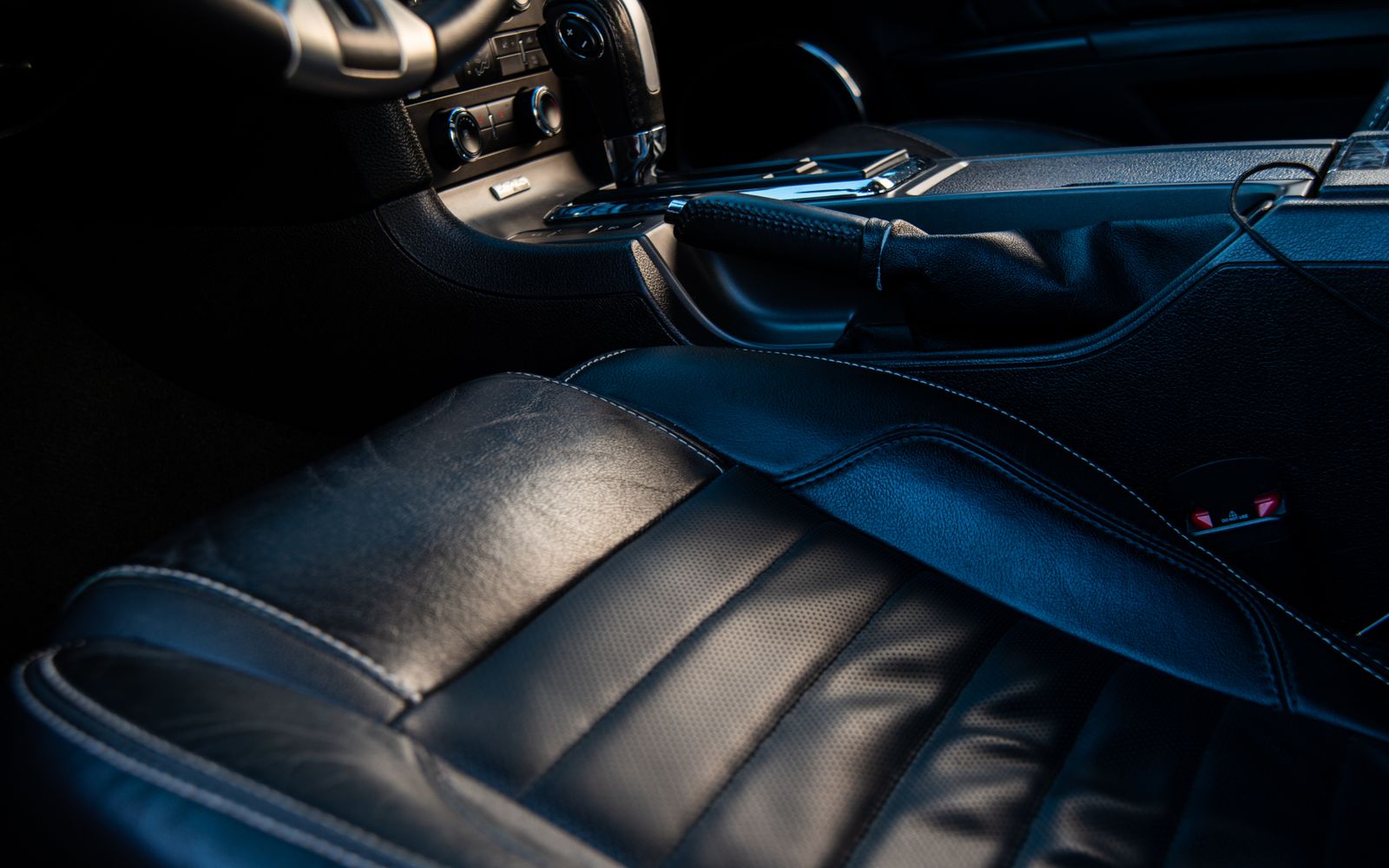
Rear power outlets, a stable connection and a folding table are the equipment that matter. Everything else is preference. What actually determines whether a journey is productive is the smoothness of the driving, and that is a function of the chauffeur rather than of the vehicle. Anticipation, gentle braking and early lane choices are what keep a document readable.
- Reading and document review: comfortable throughout
- Voice and video calls: workable, but flag them in advance
- Sustained laptop drafting: better on motorway sections
03Section
Confidentiality in a moving office
A chauffeur hears a great deal. Calls are taken in the cabin, documents lie open on the seat, and the destinations themselves reveal who is meeting whom. Discretion is therefore an operational requirement rather than a courtesy, and it belongs in the service specification alongside the vehicle class. It is one of the few things genuinely worth checking before a first booking.
In practice this means a chauffeur does not discuss passengers, itineraries or destinations with anyone, including other clients and other drivers. Where a matter is sensitive, a non-disclosure agreement is a normal and reasonable request, and a serious operator will accommodate one without treating it as unusual. The request should be made before the assignment starts rather than halfway through it.
Physical discretion matters equally. Rear privacy glass, an unbranded vehicle and a chauffeur who does not linger in a doorway all reduce the visibility of a movement. On transactions and personnel matters, being unremarkable is the entire point of the exercise. A dark saloon that nobody looks at twice has done its job before a word is spoken.

04Section
Arriving composed
There is a real difference between walking into a meeting having driven yourself across a congested city and walking in having spent that time reading. The second version begins the conversation ahead. It is the least quantifiable benefit of chauffeur travel and, for a great many people, the one that justifies the arrangement.
The mechanics are ordinary enough. You are set down at the door rather than several streets away. There is no parking transaction, no walk in the weather, and no mental residue from a difficult junction. Coats stay in the vehicle. The only bag carried in is the one actually needed.
For client-facing work the arrival is also a signal, and the useful register is understatement. A clean, dark, unbranded vehicle and an unhurried entrance say enough. Anything louder shifts attention onto the wrong subject before a word has been exchanged. The point of the car is that nobody afterwards remembers there was one, only that you were early and prepared.

05Section
Back-to-back meetings across the city
A day carrying four or five meetings across London is a sequencing problem before it is a transport problem. The order of the stops, the direction of travel relative to the peak, and where a vehicle can legally wait all shape whether the schedule survives contact with the morning. Two of those three are decided before the day starts.
Retaining the same vehicle and chauffeur across the day is usually the right structure. Luggage and coats stay aboard. The chauffeur learns the pattern of the day and positions between stops rather than being dispatched cold each time. Where an appointment overruns, the recovery becomes a conversation rather than a new booking.
Waiting is the constraint that surprises people. Much of central London has no legal stopping, so a vehicle holding between two nearby meetings may need to circulate or park a short distance away. Tell the chauffeur when you expect to emerge and expect a two or three minute call ahead rather than a car idling at the door.
- Sequence stops against the direction of the peak flow
- Keep one vehicle and one chauffeur across the whole day
- Expect a short call ahead where kerbside waiting is restricted
06Section
What to give the chauffeur in advance
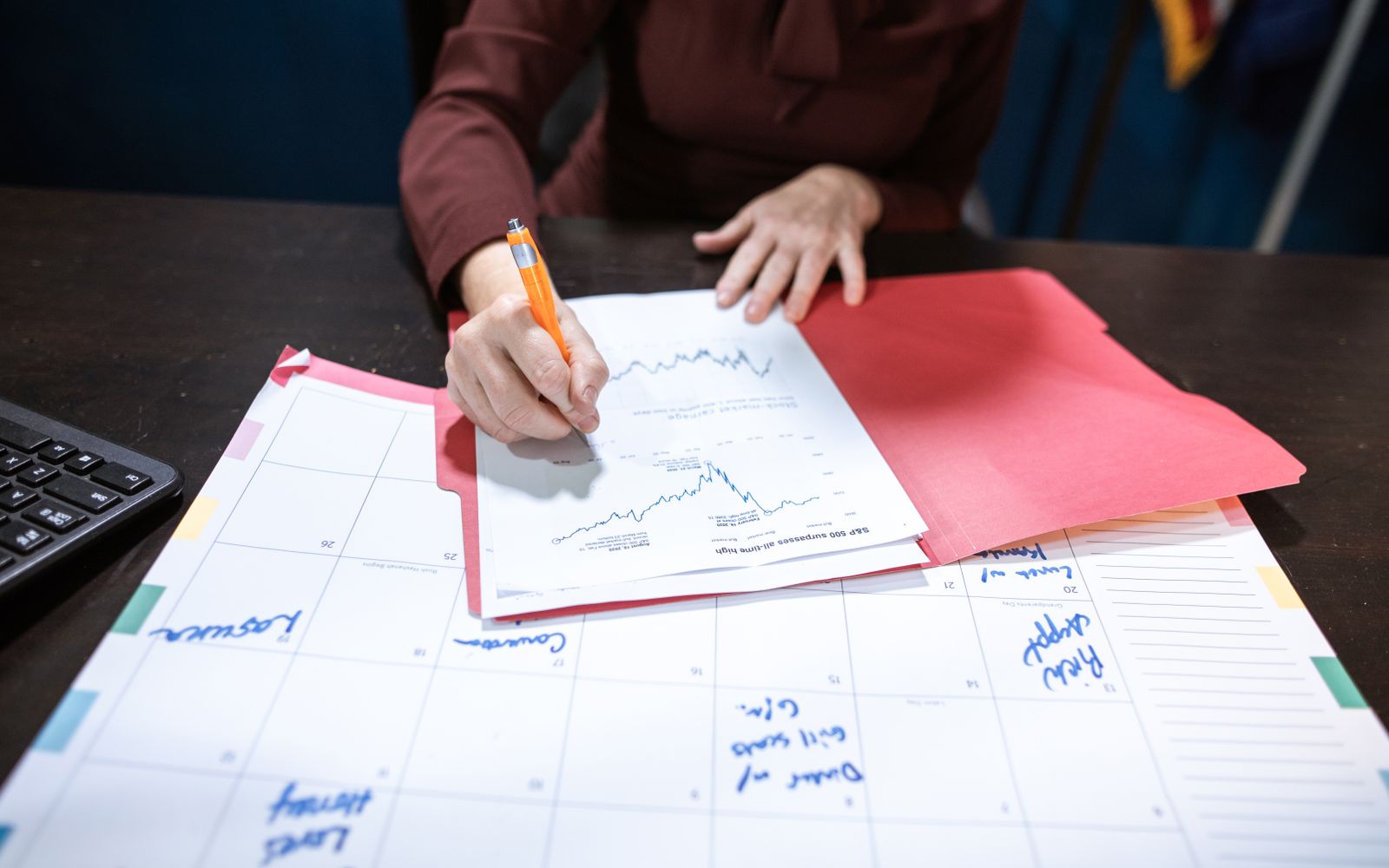
The brief is short and it should arrive the day before rather than on the morning. A full running order with addresses, expected durations and the names of any buildings with restricted access lets the chauffeur plan the parts of the day you will never see happening. Parking, fuel and repositioning all belong in that invisible category.
Add the practical detail: whether you need to be at the door or are content to walk fifty metres, whether anyone joins or leaves mid-route, and whether there is a hard stop at the end of the day for a flight or a train. Flag the meeting most likely to overrun, because that is the one the whole schedule pivots on.
If there is a preferred contact who is not you, name them. On a busy day the person coordinating the diary is usually better placed to confirm a change than the person sitting in the meeting that caused it. Give a mobile number rather than a switchboard, and say which of the two contacts takes precedence if they disagree.
- A full running order with addresses and expected durations
- Buildings with restricted or barrier-controlled access
- The meeting most likely to run over its slot
- A second contact to call when you are unreachable
Reader Questions
Answered plainly.
If something here is not covered, send the question over. A direct answer is faster than a form.
For three or more stops, generally yes. Hourly hire keeps one vehicle and one chauffeur across the day, so belongings stay aboard and an overrunning appointment is absorbed rather than rebooked. Separate point-to-point transfers work well when the stops are few and the timings genuinely firm.
Yes, and it is one of the more common uses of the cabin. The chauffeur does not discuss passengers, destinations or anything overheard during a journey. Where the subject matter warrants it, a non-disclosure agreement can be signed before the assignment begins.
Wherever it can legally do so, which in central London often means a nearby car park or a short circulation loop rather than the kerb outside. Tell the chauffeur when you expect to finish and call when you are five minutes from leaving. The vehicle will be at the door as you reach it.
Aim to be at the destination fifteen minutes before the meeting begins and use that interval in the cabin. That places the margin where it is useful rather than inside the drive, where traffic makes it unreliable. For a first meeting following a flight, allow considerably more than that.
Yes, provided it appears in the brief. Additional pickups change the route, the timing and occasionally the vehicle, so they need planning rather than adding en route. Give the address and the specific door where a building has more than one entrance.
The running order with addresses, the expected duration of each stop, any building with restricted access, and a note of which meeting is most likely to overrun. Add a second contact who can confirm changes while you are unreachable. Sending it the day before is materially better than sending it at breakfast.