June
Royal Ascot
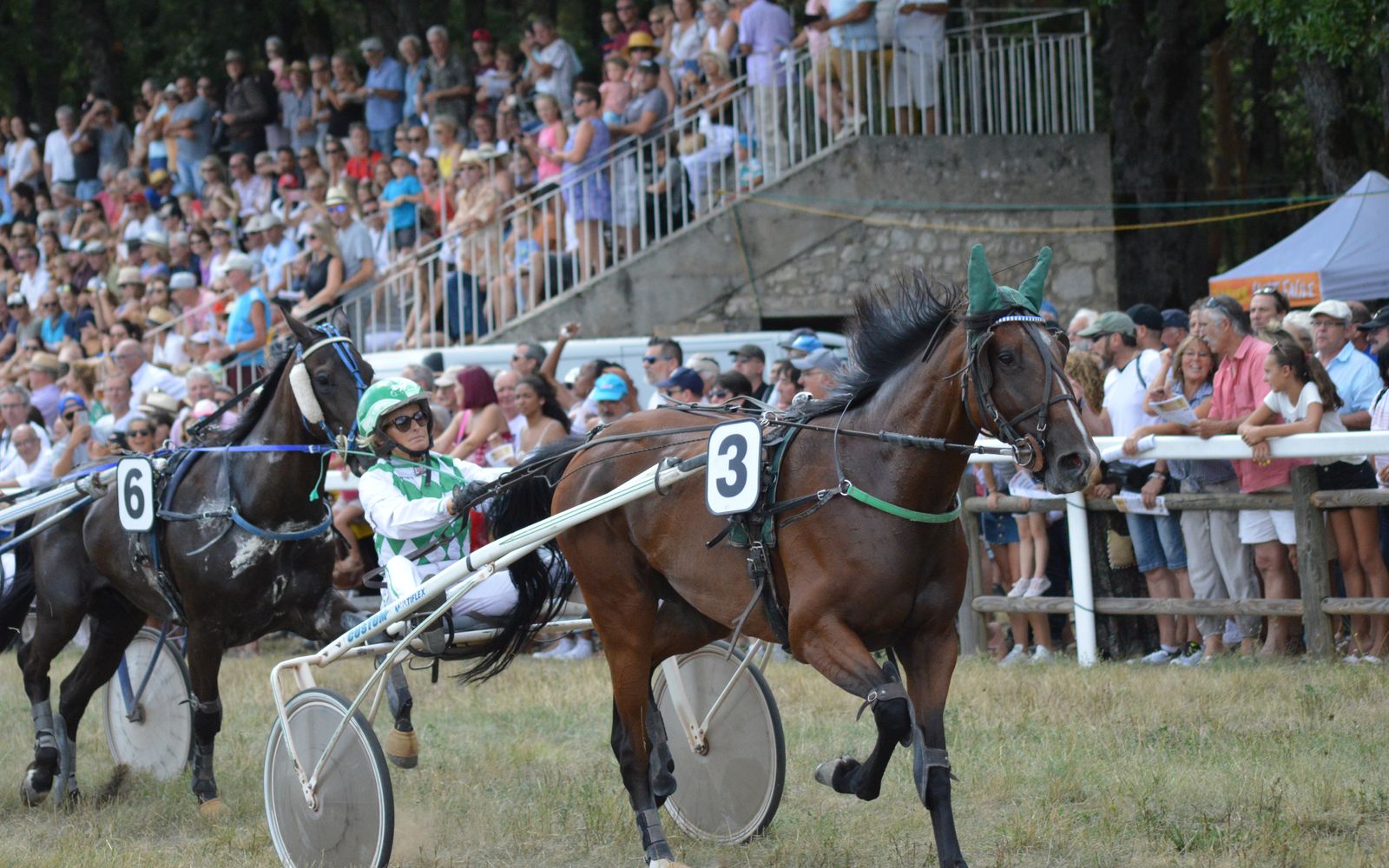
Four miles off the M4, Ascot Racecourse packs a small Berkshire town for a single week each June. We start at the gates and plan the day in reverse.
24/7, 365 days a year
Occasions
Arrival windows, car park allocation and the long wait afterwards are all part of the same plan. Tickets, passes and enclosure access remain yours to arrange.
13Occasions

01Sporting
June
Four miles off the M4, Ascot Racecourse packs a small Berkshire town for a single week each June. We start at the gates and plan the day in reverse.

Late June to early July
Around the All England Club lies a grid of residential streets, and for the fortnight nearly every kerb has restrictions. Getting in depends on when you arrive, not how far you've come.

July
Over one weekend in July, several hundred thousand people descend on Silverstone, a circuit served by just two rural A-roads. When you arrive decides the whole day.

Summer
High on the South Downs above Chichester, the Goodwood Estate is reached along lanes never designed for the crowds that its summer events bring in.

March
Every March, four days of jump racing take over a spa town in Gloucestershire and fill each hotel within thirty miles. Arriving is the simple part. Leaving well takes skill.

Late June to early July
For the regatta, Henley-on-Thames shuts streets and puts up a temporary bridge, then stages days of rowing among its narrow Georgian roads.
02Cultural
May
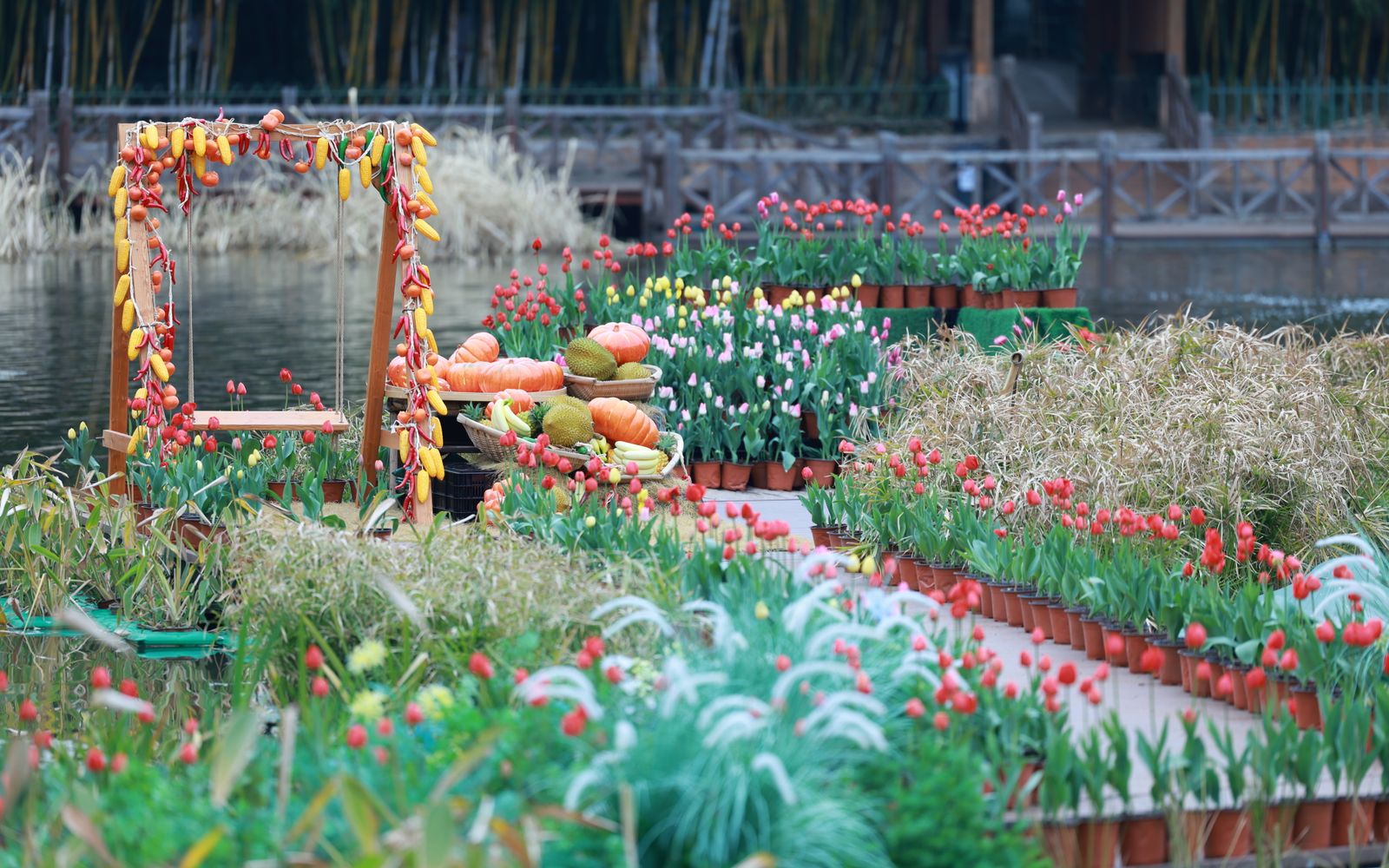
For one week each May, the show fills the Royal Hospital Chelsea grounds. It sits in a pocket of SW3 where nearly every kerb comes with rules about stopping.

February and September
Your appointments, presentations and shows are scattered over central London, and the timetable keeps shifting as the day goes on. The car is the one constant.
Year-round
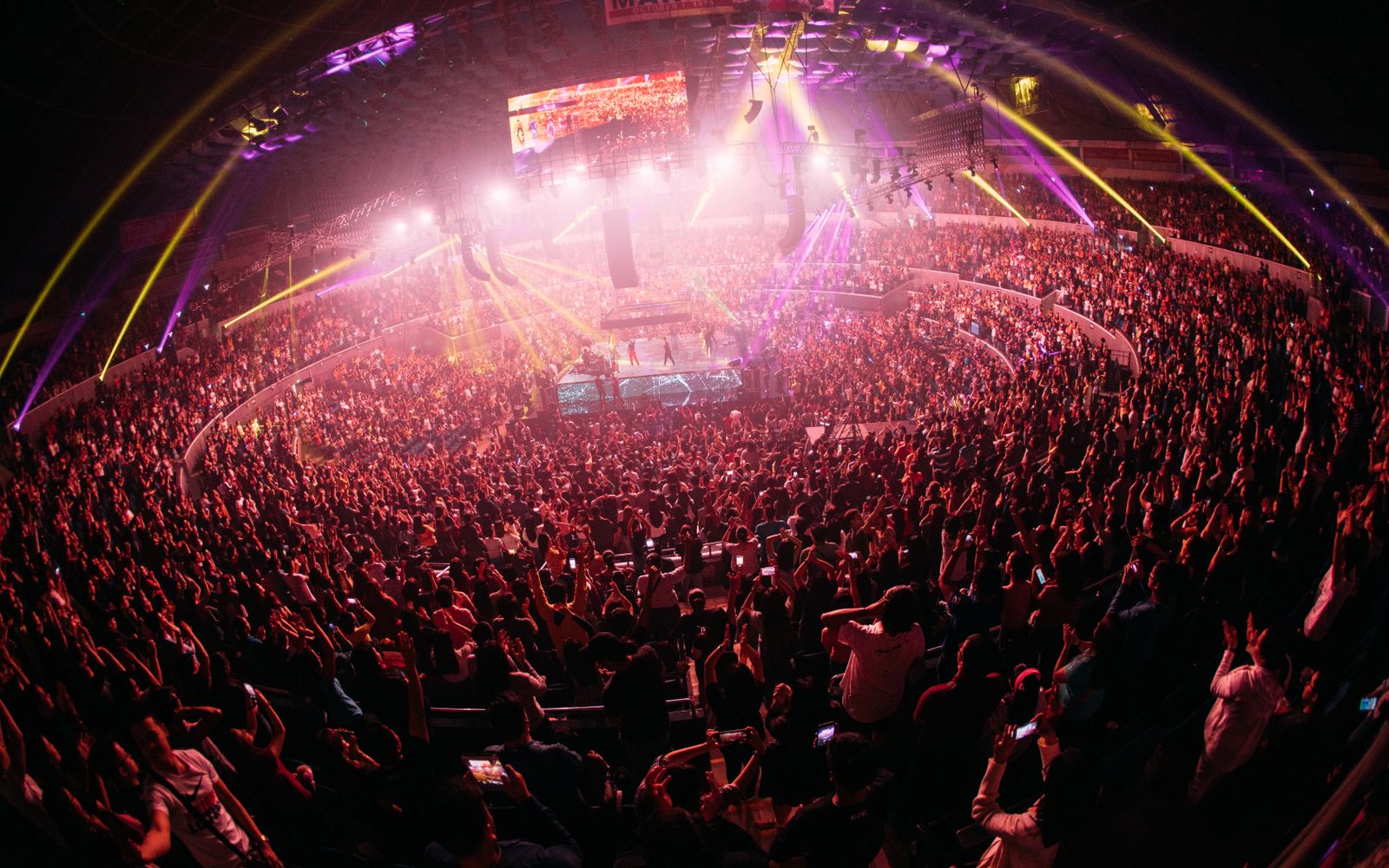
Wherever the arena is, the traffic follows one pattern: easy going in, gridlocked coming out. So we arrange everything around the journey out of there.
05Private

Year-round
On a wedding day, several groups travel separately and all have to converge on one moment. It's the cars that keep that timing intact.

Year-round
A birthday, an anniversary or a family dinner all come down to one thing. You need a car waiting at the end of the night, with a chauffeur who never mentions it.
Platinum Chauffeurs has no affiliation with any event, venue or organiser that appears on these pages, takes no sponsorship from them and is not their appointed supplier. We use the names only to describe the travel each occasion involves.
Detailed chauffeur knowledge
A complete reference covering booking, timing, vehicles, airport movements, business travel, events, long-distance work and the details that should be confirmed before a chauffeur journey.
01SEO Guidance
A useful plan for Occasions does not begin with a vehicle; it begins with the fixed commitments, passenger priorities and amount of flexibility. The same applies to a wedding chauffeur request. Once which operating format fits the journey is answered in the brief, timing and allocation decisions can be made without relying on assumptions.
A final review of choosing the right arrangement asks whether the document clearly records the fixed commitments, passenger priorities and amount of flexibility. If it does, Occasions can absorb a genuine change without losing the original objective. Specific vehicles and equipment are confirmed separately, while road timings remain ranges rather than promises.
02SEO Guidance
Occasions should be planned around complete addresses, local times, contacts and special instructions. It is easier to organise as an event chauffeur arrangement when the passenger, timing and access requirements are recorded before a vehicle is confirmed. The page therefore treats what the chauffeur team needs before allocation as an operational decision, with the useful answer coming from the itinerary rather than a generic label.
For Occasions, the confirmation for building the booking brief should show complete addresses, local times, contacts and special instructions. That written detail protects the fixed commitment while leaving room for genuine changes. It also keeps availability language honest: requested vehicles and equipment are not promised until confirmed, and journey times remain indicative because traffic, clearance, stops and road conditions can change the result.
03SEO Guidance
Before Occasions is confirmed, the planner has to decide how the service should feel in practice. A request for a corporate event chauffeur arrangement is only useful when it records punctuality, presentation, route preparation and appropriate discretion, together with the passenger, timing and access requirements. That turns a broad search term into a journey the chauffeur team can actually prepare.
The written plan for professional chauffeur standards should make punctuality, presentation, route preparation and appropriate discretion easy to check. For Occasions, this protects the important arrival or departure while keeping flexible parts genuinely flexible. Vehicle requests remain subject to confirmation, and any timing is presented as indicative where traffic, clearance, stops or road conditions can alter it.
04SEO Guidance
The working brief for Occasions records unmarked presentation, limited itinerary access and a quiet cabin before discussing optional preferences. For a VIP chauffeur arrangement, this order matters because how to keep the journey unobtrusive cannot be answered from a vehicle label alone. The itinerary, passenger and access detail provide the practical answer.
Good confirmation language for Occasions distinguishes a requested preference from an agreed operating detail. In private travel and discretion, that means writing down unmarked presentation, limited itinerary access and a quiet cabin. The result is specific without inventing certainty about availability, equipment or a journey duration that can still be affected by traffic and access.
05SEO Guidance
A useful plan for Occasions does not begin with a vehicle; it begins with meeting priorities, productive cabin time and accountable changes. The same applies to a sightseeing chauffeur request. Once how the road plan supports a working day is answered in the brief, timing and allocation decisions can be made without relying on assumptions.
A final review of executive and corporate requirements asks whether the document clearly records meeting priorities, productive cabin time and accountable changes. If it does, Occasions can absorb a genuine change without losing the original objective. Specific vehicles and equipment are confirmed separately, while road timings remain ranges rather than promises.
06SEO Guidance
Occasions should be planned around the flight reference, terminal, clearance allowance and passenger contact. It is easier to organise as a tour chauffeur arrangement when the passenger, timing and access requirements are recorded before a vehicle is confirmed. The page therefore treats how landing becomes a reliable meeting time as an operational decision, with the useful answer coming from the itinerary rather than a generic label.
For Occasions, the confirmation for airport arrival planning should show the flight reference, terminal, clearance allowance and passenger contact. That written detail protects the fixed commitment while leaving room for genuine changes. It also keeps availability language honest: requested vehicles and equipment are not promised until confirmed, and journey times remain indicative because traffic, clearance, stops and road conditions can change the result.
07SEO Guidance
Before Occasions is confirmed, the planner has to decide how to set a responsible collection time. A request for an UK tour chauffeur arrangement is only useful when it records the airline requirement, terminal, road range and loading time, together with the passenger, timing and access requirements. That turns a broad search term into a journey the chauffeur team can actually prepare.
The written plan for airport departure planning should make the airline requirement, terminal, road range and loading time easy to check. For Occasions, this protects the important arrival or departure while keeping flexible parts genuinely flexible. Vehicle requests remain subject to confirmation, and any timing is presented as indicative where traffic, clearance, stops or road conditions can alter it.
08SEO Guidance
The working brief for Occasions records the meeting zone, name-board instruction and live mobile contact before discussing optional preferences. For a luxury car with chauffeur arrangement, this order matters because where passenger and chauffeur will recognise one another cannot be answered from a vehicle label alone. The itinerary, passenger and access detail provide the practical answer.
Good confirmation language for Occasions distinguishes a requested preference from an agreed operating detail. In meet and greet details, that means writing down the meeting zone, name-board instruction and live mobile contact. The result is specific without inventing certainty about availability, equipment or a journey duration that can still be affected by traffic and access.
09SEO Guidance
A useful plan for Occasions does not begin with a vehicle; it begins with the service window, likely geography and end-of-day commitment. The same applies to a private chauffeur request. Once when one continuous booking is more useful than separate transfers is answered in the brief, timing and allocation decisions can be made without relying on assumptions.
A final review of hourly and day hire asks whether the document clearly records the service window, likely geography and end-of-day commitment. If it does, Occasions can absorb a genuine change without losing the original objective. Specific vehicles and equipment are confirmed separately, while road timings remain ranges rather than promises.
10SEO Guidance
Occasions should be planned around the correct entrance, readiness time and destination deadline. It is easier to organise as a chauffeur service arrangement when the passenger, timing and access requirements are recorded before a vehicle is confirmed. The page therefore treats what makes a simple transfer precise as an operational decision, with the useful answer coming from the itinerary rather than a generic label.
For Occasions, the confirmation for point-to-point transfers should show the correct entrance, readiness time and destination deadline. That written detail protects the fixed commitment while leaving room for genuine changes. It also keeps availability language honest: requested vehicles and equipment are not promised until confirmed, and journey times remain indicative because traffic, clearance, stops and road conditions can change the result.
11SEO Guidance
Before Occasions is confirmed, the planner has to decide how a full road journey should be structured. A request for a chauffeur services arrangement is only useful when it records a realistic route range, rest, luggage and the onward or return plan, together with the passenger, timing and access requirements. That turns a broad search term into a journey the chauffeur team can actually prepare.
The written plan for long-distance and intercity travel should make a realistic route range, rest, luggage and the onward or return plan easy to check. For Occasions, this protects the important arrival or departure while keeping flexible parts genuinely flexible. Vehicle requests remain subject to confirmation, and any timing is presented as indicative where traffic, clearance, stops or road conditions can alter it.
12SEO Guidance
The working brief for Occasions records a versioned running order, holding positions and change authority before discussing optional preferences. For a chauffeur hire arrangement, this order matters because how several movements remain one controlled itinerary cannot be answered from a vehicle label alone. The itinerary, passenger and access detail provide the practical answer.
Good confirmation language for Occasions distinguishes a requested preference from an agreed operating detail. In roadshows and multi-stop days, that means writing down a versioned running order, holding positions and change authority. The result is specific without inventing certainty about availability, equipment or a journey duration that can still be affected by traffic and access.
13SEO Guidance
A useful plan for Occasions does not begin with a vehicle; it begins with manifests, vehicle numbering and an agreed dispatch contact. The same applies to a chauffeur UK request. Once how passenger groups reach the right entrance together is answered in the brief, timing and allocation decisions can be made without relying on assumptions.
A final review of conference and event transport asks whether the document clearly records manifests, vehicle numbering and an agreed dispatch contact. If it does, Occasions can absorb a genuine change without losing the original objective. Specific vehicles and equipment are confirmed separately, while road timings remain ranges rather than promises.
14SEO Guidance
Occasions should be planned around passenger order, presentation, photography time and venue access. It is easier to organise as a chauffeur London arrangement when the passenger, timing and access requirements are recorded before a vehicle is confirmed. The page therefore treats how ceremonial movements are protected as an operational decision, with the useful answer coming from the itinerary rather than a generic label.
For Occasions, the confirmation for wedding and private occasion travel should show passenger order, presentation, photography time and venue access. That written detail protects the fixed commitment while leaving room for genuine changes. It also keeps availability language honest: requested vehicles and equipment are not promised until confirmed, and journey times remain indicative because traffic, clearance, stops and road conditions can change the result.
15SEO Guidance
Before Occasions is confirmed, the planner has to decide how the vehicle coordinates with a private flight. A request for a wedding chauffeur arrangement is only useful when it records the handling facility, aircraft reference and passenger handover, together with the passenger, timing and access requirements. That turns a broad search term into a journey the chauffeur team can actually prepare.
The written plan for private aviation ground transport should make the handling facility, aircraft reference and passenger handover easy to check. For Occasions, this protects the important arrival or departure while keeping flexible parts genuinely flexible. Vehicle requests remain subject to confirmation, and any timing is presented as indicative where traffic, clearance, stops or road conditions can alter it.
16SEO Guidance
The working brief for Occasions records seat use, case dimensions, specialist items and boarding needs before discussing optional preferences. For an event chauffeur arrangement, this order matters because what the vehicle must carry comfortably cannot be answered from a vehicle label alone. The itinerary, passenger and access detail provide the practical answer.
Good confirmation language for Occasions distinguishes a requested preference from an agreed operating detail. In passengers, luggage and equipment, that means writing down seat use, case dimensions, specialist items and boarding needs. The result is specific without inventing certainty about availability, equipment or a journey duration that can still be affected by traffic and access.
17SEO Guidance
A useful plan for Occasions does not begin with a vehicle; it begins with passenger count, rear-cabin preference and airport luggage. The same applies to a corporate event chauffeur request. Once when a saloon is the practical answer is answered in the brief, timing and allocation decisions can be made without relying on assumptions.
A final review of mercedes saloon choices asks whether the document clearly records passenger count, rear-cabin preference and airport luggage. If it does, Occasions can absorb a genuine change without losing the original objective. Specific vehicles and equipment are confirmed separately, while road timings remain ranges rather than promises.
18SEO Guidance
Occasions should be planned around group seating, luggage volume and ease of boarding. It is easier to organise as a VIP chauffeur arrangement when the passenger, timing and access requirements are recorded before a vehicle is confirmed. The page therefore treats when an MPV offers the better layout as an operational decision, with the useful answer coming from the itinerary rather than a generic label.
For Occasions, the confirmation for mercedes v class and group travel should show group seating, luggage volume and ease of boarding. That written detail protects the fixed commitment while leaving room for genuine changes. It also keeps availability language honest: requested vehicles and equipment are not promised until confirmed, and journey times remain indicative because traffic, clearance, stops and road conditions can change the result.
19SEO Guidance
Before Occasions is confirmed, the planner has to decide when the arrival itself is part of the brief. A request for a sightseeing chauffeur arrangement is only useful when it records occasion, access, luggage and confirmed availability, together with the passenger, timing and access requirements. That turns a broad search term into a journey the chauffeur team can actually prepare.
The written plan for prestige and signature vehicles should make occasion, access, luggage and confirmed availability easy to check. For Occasions, this protects the important arrival or departure while keeping flexible parts genuinely flexible. Vehicle requests remain subject to confirmation, and any timing is presented as indicative where traffic, clearance, stops or road conditions can alter it.
20SEO Guidance
The working brief for Occasions records step-in height, load shape, route and passenger preference before discussing optional preferences. For a tour chauffeur arrangement, this order matters because when access, luggage or road conditions favour an SUV cannot be answered from a vehicle label alone. The itinerary, passenger and access detail provide the practical answer.
Good confirmation language for Occasions distinguishes a requested preference from an agreed operating detail. In suv chauffeur travel, that means writing down step-in height, load shape, route and passenger preference. The result is specific without inventing certainty about availability, equipment or a journey duration that can still be affected by traffic and access.
21SEO Guidance
A useful plan for Occasions does not begin with a vehicle; it begins with ages, requested equipment, boarding support and journey breaks. The same applies to an UK tour chauffeur request. Once how individual passenger needs shape the booking is answered in the brief, timing and allocation decisions can be made without relying on assumptions.
A final review of family and accessibility planning asks whether the document clearly records ages, requested equipment, boarding support and journey breaks. If it does, Occasions can absorb a genuine change without losing the original objective. Specific vehicles and equipment are confirmed separately, while road timings remain ranges rather than promises.
22SEO Guidance
Occasions should be planned around road ranges, security, walking, loading and temporary access controls. It is easier to organise as a luxury car with chauffeur arrangement when the passenger, timing and access requirements are recorded before a vehicle is confirmed. The page therefore treats where the itinerary needs genuine margin as an operational decision, with the useful answer coming from the itinerary rather than a generic label.
For Occasions, the confirmation for timing, traffic and access should show road ranges, security, walking, loading and temporary access controls. That written detail protects the fixed commitment while leaving room for genuine changes. It also keeps availability language honest: requested vehicles and equipment are not promised until confirmed, and journey times remain indicative because traffic, clearance, stops and road conditions can change the result.
23SEO Guidance
Before Occasions is confirmed, the planner has to decide how a revised plan reaches everyone who needs it. A request for a private chauffeur arrangement is only useful when it records one authorised contact, one current itinerary and clear replacement instructions, together with the passenger, timing and access requirements. That turns a broad search term into a journey the chauffeur team can actually prepare.
The written plan for changes and live communication should make one authorised contact, one current itinerary and clear replacement instructions easy to check. For Occasions, this protects the important arrival or departure while keeping flexible parts genuinely flexible. Vehicle requests remain subject to confirmation, and any timing is presented as indicative where traffic, clearance, stops or road conditions can alter it.
24SEO Guidance
The working brief for Occasions records the complete itinerary, waiting, vehicle category and confirmed requirements before discussing optional preferences. For a chauffeur service arrangement, this order matters because how the requested scope becomes a written reservation cannot be answered from a vehicle label alone. The itinerary, passenger and access detail provide the practical answer.
Good confirmation language for Occasions distinguishes a requested preference from an agreed operating detail. In quotation and confirmation, that means writing down the complete itinerary, waiting, vehicle category and confirmed requirements. The result is specific without inventing certainty about availability, equipment or a journey duration that can still be affected by traffic and access.
25SEO Guidance
A useful plan for Occasions does not begin with a vehicle; it begins with passenger details, contact numbers, addresses, timings, capacity and change instructions. The same applies to a chauffeur services request. Once what deserves one last review before travel is answered in the brief, timing and allocation decisions can be made without relying on assumptions.
A final review of final journey checklist asks whether the document clearly records passenger details, contact numbers, addresses, timings, capacity and change instructions. If it does, Occasions can absorb a genuine change without losing the original objective. Specific vehicles and equipment are confirmed separately, while road timings remain ranges rather than promises.
Event travel is quoted for the whole occasion — the arrival window, the wait and the journey home after the crowd.
Every journey is quoted to its own requirements. Reservations are confirmed directly with you before travel.