Skip to content

03Business & Roadshows

Multi-city roadshow travel for teams and their materials

A corporate roadshow moves people, materials and a message between cities. All three have to arrive together.

Corporate Roadshows — Platinum Chauffeurs
Format
Multi-city product and brand tours.
Party
Teams of two to eight, kept together.
Load
Stands, cases and demonstration kit carried.
Duration
Single days through to full-week tours.

Corporate Roadshows

Product launches, brand tours and regional briefings share a shape. The same team, the same presentation and the same equipment appear in four cities in five days, and each stop has to look as considered as the first. The travel between them is the part most likely to fray.

Handling that well is mostly logistics. Knowing how much boot space a set of pull-up banners actually needs. Knowing that a team of six is more comfortable in two saloons than crammed into one MPV with cases on laps. Knowing which motorway leg has to start before the morning peak to reach a 10:00 briefing in another city.

Platinum plans the whole tour as one document rather than a string of separate bookings. Departure times, load plans, hotel stops and the point at which a driver change becomes necessary are all decided before the first vehicle moves. The team then works from one timetable for the week.

Operating Discipline

How the day is actually held together.

01

Tour document

One timetable covering every city, day and departure.

02

Load planning

Vehicles allocated against a kit list, not a headcount.

03

Group integrity

The team kept in one cabin wherever capacity allows.

04

Access mapping

Guest entrance and load-in point identified for each venue.

05

Driver rest

Relief chauffeurs scheduled before hours become a problem.

Planning a tour as one operation — Platinum Chauffeurs

01Section

Planning a tour as one operation

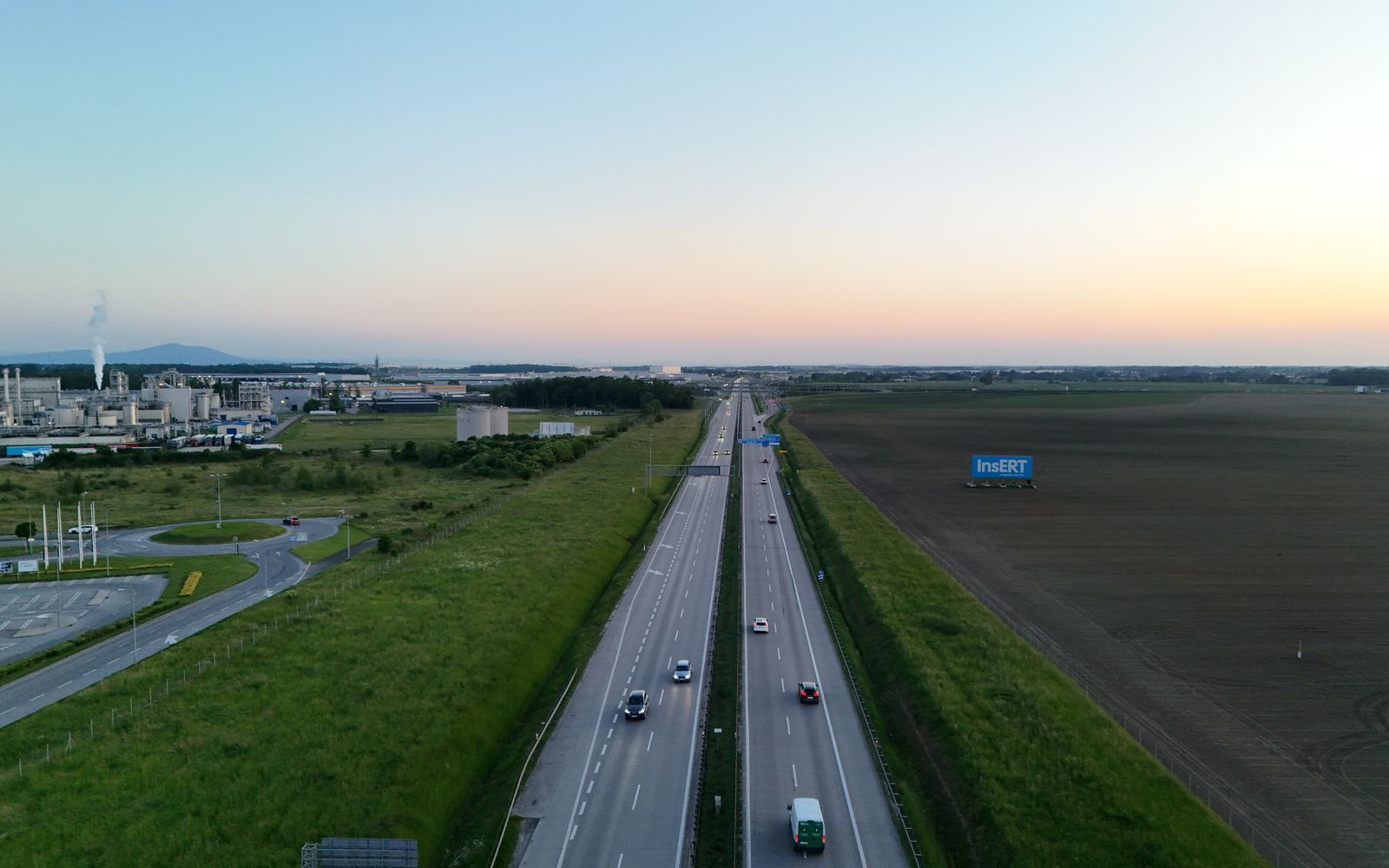
A five-city week is not five bookings. Driving times between Manchester, Leeds and Birmingham behave differently at 07:00 and 16:00, and a schedule that ignores this will fail on day two rather than day one. The whole route is laid out first, then the individual days are built inside it.

Where the distance and the timing make road travel the wrong answer, that is said. A leg to Edinburgh may be better flown with a chauffeur meeting the flight at both ends, and the tour plan will show it that way rather than defending a nine-hour drive.
Carrying the materials — Platinum Chauffeurs

02Section

Carrying the materials

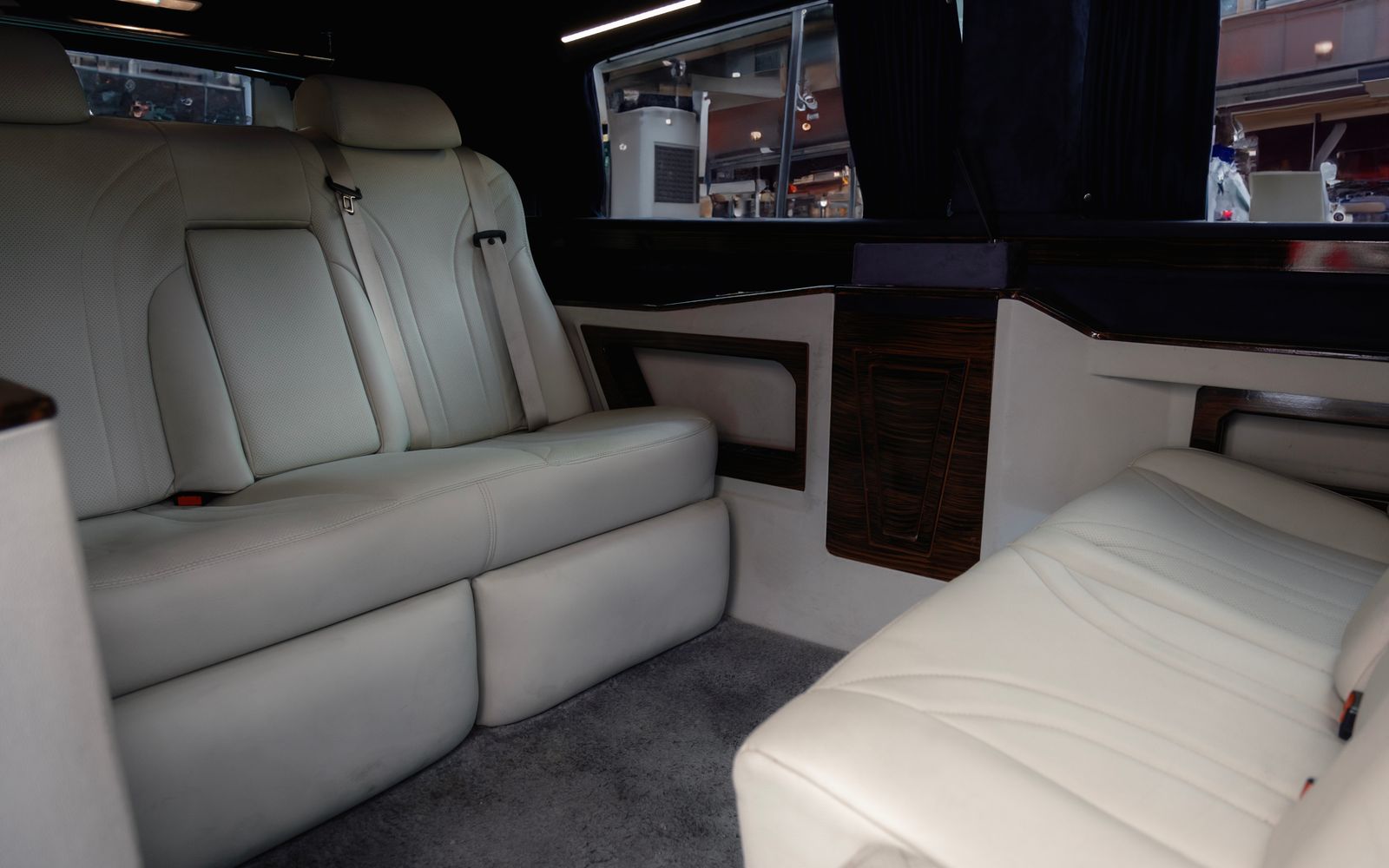
Roadshow kit is bulkier than luggage and less forgiving. Display stands, sample cases, printed collateral, laptops and a demonstration unit that must not be tipped on its side. Load capacity is confirmed against the actual items before vehicles are allocated, not estimated from a passenger count.

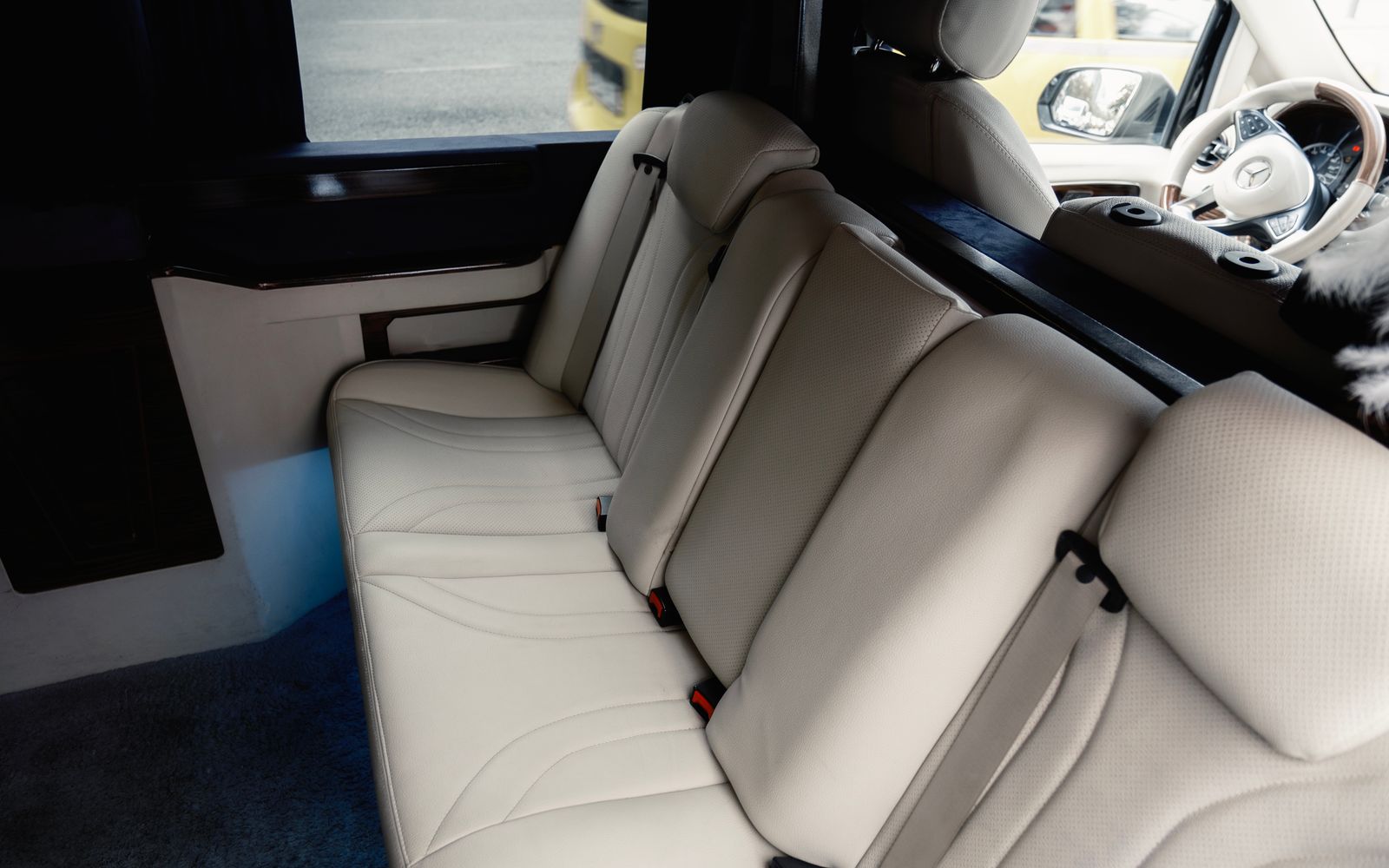
The Mercedes-Benz V-Class is the usual answer: a flat load area, seating that does not have to be sacrificed to carry cases, and a rear cabin where the team can talk on the move. Where the load is larger than one vehicle, a second is added rather than the first overfilled. Vehicle make, model, colour and specification remain subject to availability and confirmation.

Keeping a team together — Platinum Chauffeurs

03Section

Keeping a team together

Teams work in the car. Rehearsing a run-through, reallocating who takes which section, or simply agreeing what went wrong at the last stop. Splitting six people across three saloons destroys that, so the default is to keep the group in one cabin wherever the load allows.

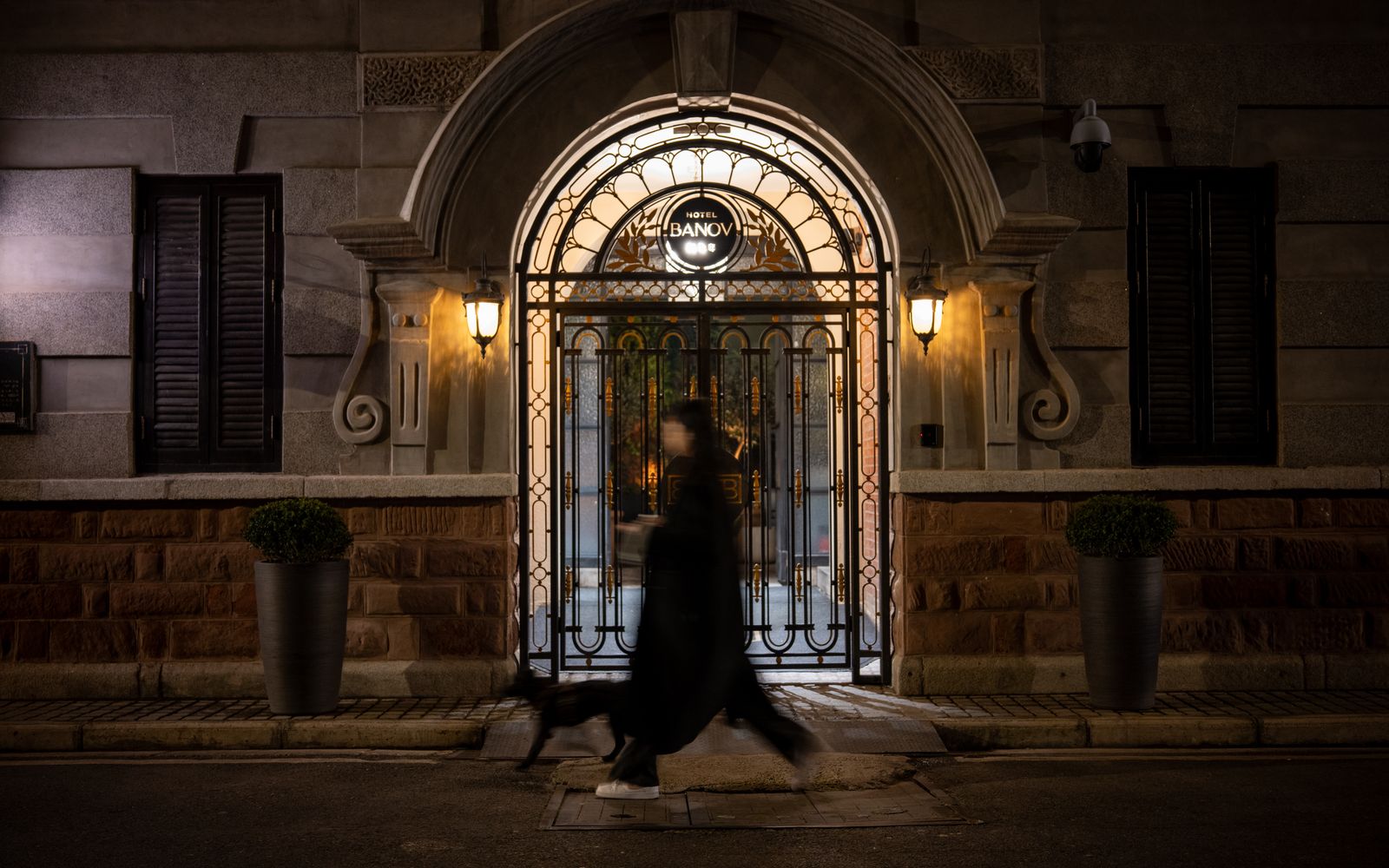
Where two vehicles are genuinely needed, they travel as a pair and arrive together. Nobody is left waiting at a venue entrance for colleagues who took a different route. A team walking in as a group reads very differently from one trickling in over ten minutes.

Venue arrival and load-in — Platinum Chauffeurs

04Section

Venue arrival and load-in

Most venues separate guest arrival from delivery access, and roadshow teams need both. The passenger door is one place, and the point where a set of cases can be unloaded without carrying them a hundred metres is often another.

Both are established before the day. The chauffeur sets the team down at the entrance they should be seen at, then moves to the load-in point to unload equipment. At the end of the session the sequence runs in reverse, so nobody stands outside holding a banner case in the rain.

Multi-day continuity — Platinum Chauffeurs

05Section

Multi-day continuity

Across a week, continuity is worth more than any single detail. The same chauffeur through a tour learns the team's rhythm: who sits where, how long the load takes, whether the 07:30 departure is really 07:45.

Where the driving hours across a tour exceed what one chauffeur can safely cover, a second is introduced at a planned point rather than at the moment fatigue becomes obvious. Rest requirements are built into the timetable from the start, which is another reason the whole tour is planned before any of it is driven.

In Practice

01

Five cities, five days

A launch team leaves London on Monday and reaches Bristol, Birmingham, Manchester and Leeds before Friday. One vehicle carries the team and the stand kit, and each morning's departure is set by the venue's load-in window.

02

Regional briefing tour

Three regional offices visited in a day, each with a presentation and a lunch. The car waits through every session so laptops and printed packs never leave it, and the team travels between sites reviewing the last audience.

03

Split party, one arrival

Eight people and two full sets of display equipment need two vehicles. They depart together, run the same route and pull up at the venue within a minute of each other, so the group walks in as one.

04

An air leg inside a road tour

A Scottish stop is flown rather than driven. A chauffeur takes the team to the airport, a second meets the flight in Edinburgh, and the tour timetable continues without anyone arranging local transport on the day.

Questions

Answered plainly.

If something here is not covered, send the question over. A direct answer is faster than a form.

It depends on the vehicle and the shape of the items rather than a single figure, so capacity is confirmed against the actual kit list. A V-Class will take a team of five or six with stands and cases; larger loads are given a second vehicle. Send dimensions for anything unusual and we will say plainly what fits.

Continue

Related pages worth reading next.

Detailed chauffeur knowledge

25 planning sections for Corporate Roadshows.

A complete reference covering booking, timing, vehicles, airport movements, business travel, events, long-distance work and the details that should be confirmed before a chauffeur journey.

01SEO Guidance

Choosing the right arrangement for Corporate Roadshows: executive chauffeur

Corporate Roadshows journey planning

The working brief for Corporate Roadshows records the fixed commitments, passenger priorities and amount of flexibility before discussing optional preferences. For an executive chauffeur arrangement, this order matters because which operating format fits the journey cannot be answered from a vehicle label alone. The itinerary, passenger and access detail provide the practical answer.

Good confirmation language for Corporate Roadshows distinguishes a requested preference from an agreed operating detail. In choosing the right arrangement, that means writing down the fixed commitments, passenger priorities and amount of flexibility. The result is specific without inventing certainty about availability, equipment or a journey duration that can still be affected by traffic and access.

  • Define the journey objective for Corporate Roadshows.
  • Name the passengers for Corporate Roadshows.
  • Identify the fixed time for Corporate Roadshows.
  • Record what remains flexible for Corporate Roadshows.

02SEO Guidance

Building the booking brief for Corporate Roadshows

A useful plan for Corporate Roadshows does not begin with a vehicle; it begins with complete addresses, local times, contacts and special instructions. The same applies to an executive chauffeur service request. Once what the chauffeur team needs before allocation is answered in the brief, timing and allocation decisions can be made without relying on assumptions.

A final review of building the booking brief asks whether the document clearly records complete addresses, local times, contacts and special instructions. If it does, Corporate Roadshows can absorb a genuine change without losing the original objective. Specific vehicles and equipment are confirmed separately, while road timings remain ranges rather than promises.

  • Use full addresses for Corporate Roadshows.
  • Add entrance details for Corporate Roadshows.
  • Confirm local times for Corporate Roadshows.
  • Name one live contact for Corporate Roadshows.

03SEO Guidance

Professional chauffeur standards for Corporate Roadshows

Corporate Roadshows should be planned around punctuality, presentation, route preparation and appropriate discretion. It is easier to organise as a corporate chauffeur arrangement when the passenger, timing and access requirements are recorded before a vehicle is confirmed. The page therefore treats how the service should feel in practice as an operational decision, with the useful answer coming from the itinerary rather than a generic label.

For Corporate Roadshows, the confirmation for professional chauffeur standards should show punctuality, presentation, route preparation and appropriate discretion. That written detail protects the fixed commitment while leaving room for genuine changes. It also keeps availability language honest: requested vehicles and equipment are not promised until confirmed, and journey times remain indicative because traffic, clearance, stops and road conditions can change the result.

  • Confirm the dress expectation for Corporate Roadshows.
  • Agree the meeting method for Corporate Roadshows.
  • Protect passenger privacy for Corporate Roadshows.
  • Keep communication concise for Corporate Roadshows.

04SEO Guidance

Private travel and discretion for Corporate Roadshows

Before Corporate Roadshows is confirmed, the planner has to decide how to keep the journey unobtrusive. A request for a corporate chauffeur service arrangement is only useful when it records unmarked presentation, limited itinerary access and a quiet cabin, together with the passenger, timing and access requirements. That turns a broad search term into a journey the chauffeur team can actually prepare.

The written plan for private travel and discretion should make unmarked presentation, limited itinerary access and a quiet cabin easy to check. For Corporate Roadshows, this protects the important arrival or departure while keeping flexible parts genuinely flexible. Vehicle requests remain subject to confirmation, and any timing is presented as indicative where traffic, clearance, stops or road conditions can alter it.

  • Share data only as needed for Corporate Roadshows.
  • Confirm the authorised contact for Corporate Roadshows.
  • Avoid public passenger names for Corporate Roadshows.
  • Use one itinerary version for Corporate Roadshows.

05SEO Guidance

Executive and corporate requirements for Corporate Roadshows

The working brief for Corporate Roadshows records meeting priorities, productive cabin time and accountable changes before discussing optional preferences. For a business chauffeur arrangement, this order matters because how the road plan supports a working day cannot be answered from a vehicle label alone. The itinerary, passenger and access detail provide the practical answer.

Good confirmation language for Corporate Roadshows distinguishes a requested preference from an agreed operating detail. In executive and corporate requirements, that means writing down meeting priorities, productive cabin time and accountable changes. The result is specific without inventing certainty about availability, equipment or a journey duration that can still be affected by traffic and access.

  • Order appointments by priority for Corporate Roadshows.
  • Allow for overruns for Corporate Roadshows.
  • Confirm invoicing references for Corporate Roadshows.
  • Protect confidential calls for Corporate Roadshows.

06SEO Guidance

Airport arrival planning for Corporate Roadshows

Corporate Roadshows journey planning

A useful plan for Corporate Roadshows does not begin with a vehicle; it begins with the flight reference, terminal, clearance allowance and passenger contact. The same applies to a VIP chauffeur request. Once how landing becomes a reliable meeting time is answered in the brief, timing and allocation decisions can be made without relying on assumptions.

A final review of airport arrival planning asks whether the document clearly records the flight reference, terminal, clearance allowance and passenger contact. If it does, Corporate Roadshows can absorb a genuine change without losing the original objective. Specific vehicles and equipment are confirmed separately, while road timings remain ranges rather than promises.

  • Confirm the terminal for Corporate Roadshows.
  • Supply the flight reference for Corporate Roadshows.
  • Count checked luggage for Corporate Roadshows.
  • Agree the arrivals meeting point for Corporate Roadshows.

07SEO Guidance

Airport departure planning for Corporate Roadshows

Corporate Roadshows should be planned around the airline requirement, terminal, road range and loading time. It is easier to organise as a personal chauffeur arrangement when the passenger, timing and access requirements are recorded before a vehicle is confirmed. The page therefore treats how to set a responsible collection time as an operational decision, with the useful answer coming from the itinerary rather than a generic label.

For Corporate Roadshows, the confirmation for airport departure planning should show the airline requirement, terminal, road range and loading time. That written detail protects the fixed commitment while leaving room for genuine changes. It also keeps availability language honest: requested vehicles and equipment are not promised until confirmed, and journey times remain indicative because traffic, clearance, stops and road conditions can change the result.

  • Work backwards from check-in for Corporate Roadshows.
  • Allow loading time for Corporate Roadshows.
  • Check the terminal for Corporate Roadshows.
  • Protect a traffic margin for Corporate Roadshows.

08SEO Guidance

Meet and greet details for Corporate Roadshows

Before Corporate Roadshows is confirmed, the planner has to decide where passenger and chauffeur will recognise one another. A request for an executive car service arrangement is only useful when it records the meeting zone, name-board instruction and live mobile contact, together with the passenger, timing and access requirements. That turns a broad search term into a journey the chauffeur team can actually prepare.

The written plan for meet and greet details should make the meeting zone, name-board instruction and live mobile contact easy to check. For Corporate Roadshows, this protects the important arrival or departure while keeping flexible parts genuinely flexible. Vehicle requests remain subject to confirmation, and any timing is presented as indicative where traffic, clearance, stops or road conditions can alter it.

  • Choose inside or kerbside for Corporate Roadshows.
  • Confirm the displayed name for Corporate Roadshows.
  • Keep the phone available for Corporate Roadshows.
  • State a fallback meeting point for Corporate Roadshows.

09SEO Guidance

Hourly and day hire for Corporate Roadshows

The working brief for Corporate Roadshows records the service window, likely geography and end-of-day commitment before discussing optional preferences. For a corporate event chauffeur arrangement, this order matters because when one continuous booking is more useful than separate transfers cannot be answered from a vehicle label alone. The itinerary, passenger and access detail provide the practical answer.

Good confirmation language for Corporate Roadshows distinguishes a requested preference from an agreed operating detail. In hourly and day hire, that means writing down the service window, likely geography and end-of-day commitment. The result is specific without inventing certainty about availability, equipment or a journey duration that can still be affected by traffic and access.

  • Set the operating window for Corporate Roadshows.
  • List known stops for Corporate Roadshows.
  • Identify the final commitment for Corporate Roadshows.
  • Explain likely changes for Corporate Roadshows.

10SEO Guidance

Point-to-point transfers for Corporate Roadshows

A useful plan for Corporate Roadshows does not begin with a vehicle; it begins with the correct entrance, readiness time and destination deadline. The same applies to a roadshow chauffeur request. Once what makes a simple transfer precise is answered in the brief, timing and allocation decisions can be made without relying on assumptions.

A final review of point-to-point transfers asks whether the document clearly records the correct entrance, readiness time and destination deadline. If it does, Corporate Roadshows can absorb a genuine change without losing the original objective. Specific vehicles and equipment are confirmed separately, while road timings remain ranges rather than promises.

  • Confirm both doors for Corporate Roadshows.
  • State passenger readiness for Corporate Roadshows.
  • Allow for loading for Corporate Roadshows.
  • Share the arrival target for Corporate Roadshows.

11SEO Guidance

Long-distance and intercity travel for Corporate Roadshows

Corporate Roadshows journey planning

Corporate Roadshows should be planned around a realistic route range, rest, luggage and the onward or return plan. It is easier to organise as a financial roadshow chauffeur arrangement when the passenger, timing and access requirements are recorded before a vehicle is confirmed. The page therefore treats how a full road journey should be structured as an operational decision, with the useful answer coming from the itinerary rather than a generic label.

For Corporate Roadshows, the confirmation for long-distance and intercity travel should show a realistic route range, rest, luggage and the onward or return plan. That written detail protects the fixed commitment while leaving room for genuine changes. It also keeps availability language honest: requested vehicles and equipment are not promised until confirmed, and journey times remain indicative because traffic, clearance, stops and road conditions can change the result.

  • Plan sensible breaks for Corporate Roadshows.
  • Confirm the full destination for Corporate Roadshows.
  • Describe the return for Corporate Roadshows.
  • Treat map time as indicative for Corporate Roadshows.

12SEO Guidance

Roadshows and multi-stop days for Corporate Roadshows

Before Corporate Roadshows is confirmed, the planner has to decide how several movements remain one controlled itinerary. A request for a conference chauffeur arrangement is only useful when it records a versioned running order, holding positions and change authority, together with the passenger, timing and access requirements. That turns a broad search term into a journey the chauffeur team can actually prepare.

The written plan for roadshows and multi-stop days should make a versioned running order, holding positions and change authority easy to check. For Corporate Roadshows, this protects the important arrival or departure while keeping flexible parts genuinely flexible. Vehicle requests remain subject to confirmation, and any timing is presented as indicative where traffic, clearance, stops or road conditions can alter it.

  • Use one running order for Corporate Roadshows.
  • Name the decision-maker for Corporate Roadshows.
  • Confirm every entrance for Corporate Roadshows.
  • Protect time between stops for Corporate Roadshows.

13SEO Guidance

Conference and event transport for Corporate Roadshows

The working brief for Corporate Roadshows records manifests, vehicle numbering and an agreed dispatch contact before discussing optional preferences. For a chauffeur service arrangement, this order matters because how passenger groups reach the right entrance together cannot be answered from a vehicle label alone. The itinerary, passenger and access detail provide the practical answer.

Good confirmation language for Corporate Roadshows distinguishes a requested preference from an agreed operating detail. In conference and event transport, that means writing down manifests, vehicle numbering and an agreed dispatch contact. The result is specific without inventing certainty about availability, equipment or a journey duration that can still be affected by traffic and access.

  • Name each passenger group for Corporate Roadshows.
  • Number the vehicles for Corporate Roadshows.
  • Confirm access instructions for Corporate Roadshows.
  • Plan the departure wave for Corporate Roadshows.

14SEO Guidance

Wedding and private occasion travel for Corporate Roadshows

A useful plan for Corporate Roadshows does not begin with a vehicle; it begins with passenger order, presentation, photography time and venue access. The same applies to a chauffeur services request. Once how ceremonial movements are protected is answered in the brief, timing and allocation decisions can be made without relying on assumptions.

A final review of wedding and private occasion travel asks whether the document clearly records passenger order, presentation, photography time and venue access. If it does, Corporate Roadshows can absorb a genuine change without losing the original objective. Specific vehicles and equipment are confirmed separately, while road timings remain ranges rather than promises.

  • List every movement for Corporate Roadshows.
  • Name the passengers for Corporate Roadshows.
  • Protect photography time for Corporate Roadshows.
  • Confirm venue access for Corporate Roadshows.

15SEO Guidance

Private aviation ground transport for Corporate Roadshows

Corporate Roadshows should be planned around the handling facility, aircraft reference and passenger handover. It is easier to organise as a chauffeur hire arrangement when the passenger, timing and access requirements are recorded before a vehicle is confirmed. The page therefore treats how the vehicle coordinates with a private flight as an operational decision, with the useful answer coming from the itinerary rather than a generic label.

For Corporate Roadshows, the confirmation for private aviation ground transport should show the handling facility, aircraft reference and passenger handover. That written detail protects the fixed commitment while leaving room for genuine changes. It also keeps availability language honest: requested vehicles and equipment are not promised until confirmed, and journey times remain indicative because traffic, clearance, stops and road conditions can change the result.

  • Name the FBO or handler for Corporate Roadshows.
  • Share the flight reference for Corporate Roadshows.
  • Confirm the lead passenger for Corporate Roadshows.
  • Check the onward destination for Corporate Roadshows.

16SEO Guidance

Passengers, luggage and equipment for Corporate Roadshows

Corporate Roadshows journey planning

Before Corporate Roadshows is confirmed, the planner has to decide what the vehicle must carry comfortably. A request for a chauffeur UK arrangement is only useful when it records seat use, case dimensions, specialist items and boarding needs, together with the passenger, timing and access requirements. That turns a broad search term into a journey the chauffeur team can actually prepare.

The written plan for passengers, luggage and equipment should make seat use, case dimensions, specialist items and boarding needs easy to check. For Corporate Roadshows, this protects the important arrival or departure while keeping flexible parts genuinely flexible. Vehicle requests remain subject to confirmation, and any timing is presented as indicative where traffic, clearance, stops or road conditions can alter it.

  • Count adults and children for Corporate Roadshows.
  • List cases by size for Corporate Roadshows.
  • Mention unusual equipment for Corporate Roadshows.
  • Confirm access requests for Corporate Roadshows.

17SEO Guidance

Mercedes saloon choices for Corporate Roadshows

The working brief for Corporate Roadshows records passenger count, rear-cabin preference and airport luggage before discussing optional preferences. For a chauffeur London arrangement, this order matters because when a saloon is the practical answer cannot be answered from a vehicle label alone. The itinerary, passenger and access detail provide the practical answer.

Good confirmation language for Corporate Roadshows distinguishes a requested preference from an agreed operating detail. In mercedes saloon choices, that means writing down passenger count, rear-cabin preference and airport luggage. The result is specific without inventing certainty about availability, equipment or a journey duration that can still be affected by traffic and access.

  • Compare E Class capacity for Corporate Roadshows.
  • Compare S Class comfort for Corporate Roadshows.
  • Count large cases for Corporate Roadshows.
  • Confirm the requested category for Corporate Roadshows.

18SEO Guidance

Mercedes V Class and group travel for Corporate Roadshows

A useful plan for Corporate Roadshows does not begin with a vehicle; it begins with group seating, luggage volume and ease of boarding. The same applies to an executive chauffeur request. Once when an MPV offers the better layout is answered in the brief, timing and allocation decisions can be made without relying on assumptions.

A final review of mercedes v class and group travel asks whether the document clearly records group seating, luggage volume and ease of boarding. If it does, Corporate Roadshows can absorb a genuine change without losing the original objective. Specific vehicles and equipment are confirmed separately, while road timings remain ranges rather than promises.

  • Confirm the seat layout for Corporate Roadshows.
  • Count hold luggage for Corporate Roadshows.
  • Allow boarding time for Corporate Roadshows.
  • Keep model requests conditional for Corporate Roadshows.

19SEO Guidance

Prestige and signature vehicles for Corporate Roadshows

Corporate Roadshows should be planned around occasion, access, luggage and confirmed availability. It is easier to organise as an executive chauffeur service arrangement when the passenger, timing and access requirements are recorded before a vehicle is confirmed. The page therefore treats when the arrival itself is part of the brief as an operational decision, with the useful answer coming from the itinerary rather than a generic label.

For Corporate Roadshows, the confirmation for prestige and signature vehicles should show occasion, access, luggage and confirmed availability. That written detail protects the fixed commitment while leaving room for genuine changes. It also keeps availability language honest: requested vehicles and equipment are not promised until confirmed, and journey times remain indicative because traffic, clearance, stops and road conditions can change the result.

  • Match the car to the occasion for Corporate Roadshows.
  • Check kerbside access for Corporate Roadshows.
  • Confirm colour requests for Corporate Roadshows.
  • Keep specification subject to confirmation for Corporate Roadshows.

20SEO Guidance

SUV chauffeur travel for Corporate Roadshows

Before Corporate Roadshows is confirmed, the planner has to decide when access, luggage or road conditions favour an SUV. A request for a corporate chauffeur arrangement is only useful when it records step-in height, load shape, route and passenger preference, together with the passenger, timing and access requirements. That turns a broad search term into a journey the chauffeur team can actually prepare.

The written plan for suv chauffeur travel should make step-in height, load shape, route and passenger preference easy to check. For Corporate Roadshows, this protects the important arrival or departure while keeping flexible parts genuinely flexible. Vehicle requests remain subject to confirmation, and any timing is presented as indicative where traffic, clearance, stops or road conditions can alter it.

  • Check boarding comfort for Corporate Roadshows.
  • Measure unusual luggage for Corporate Roadshows.
  • Confirm the route for Corporate Roadshows.
  • Request the category early for Corporate Roadshows.

21SEO Guidance

Family and accessibility planning for Corporate Roadshows

Corporate Roadshows journey planning

The working brief for Corporate Roadshows records ages, requested equipment, boarding support and journey breaks before discussing optional preferences. For a corporate chauffeur service arrangement, this order matters because how individual passenger needs shape the booking cannot be answered from a vehicle label alone. The itinerary, passenger and access detail provide the practical answer.

Good confirmation language for Corporate Roadshows distinguishes a requested preference from an agreed operating detail. In family and accessibility planning, that means writing down ages, requested equipment, boarding support and journey breaks. The result is specific without inventing certainty about availability, equipment or a journey duration that can still be affected by traffic and access.

  • Give child ages for Corporate Roadshows.
  • Describe mobility equipment for Corporate Roadshows.
  • Confirm assistance preferences for Corporate Roadshows.
  • Allow extra boarding time for Corporate Roadshows.

22SEO Guidance

Timing, traffic and access for Corporate Roadshows

A useful plan for Corporate Roadshows does not begin with a vehicle; it begins with road ranges, security, walking, loading and temporary access controls. The same applies to a business chauffeur request. Once where the itinerary needs genuine margin is answered in the brief, timing and allocation decisions can be made without relying on assumptions.

A final review of timing, traffic and access asks whether the document clearly records road ranges, security, walking, loading and temporary access controls. If it does, Corporate Roadshows can absorb a genuine change without losing the original objective. Specific vehicles and equipment are confirmed separately, while road timings remain ranges rather than promises.

  • Separate road and loading time for Corporate Roadshows.
  • Confirm the correct entrance for Corporate Roadshows.
  • Check event-day access for Corporate Roadshows.
  • Avoid best-case promises for Corporate Roadshows.

23SEO Guidance

Changes and live communication for Corporate Roadshows

Corporate Roadshows should be planned around one authorised contact, one current itinerary and clear replacement instructions. It is easier to organise as a VIP chauffeur arrangement when the passenger, timing and access requirements are recorded before a vehicle is confirmed. The page therefore treats how a revised plan reaches everyone who needs it as an operational decision, with the useful answer coming from the itinerary rather than a generic label.

For Corporate Roadshows, the confirmation for changes and live communication should show one authorised contact, one current itinerary and clear replacement instructions. That written detail protects the fixed commitment while leaving room for genuine changes. It also keeps availability language honest: requested vehicles and equipment are not promised until confirmed, and journey times remain indicative because traffic, clearance, stops and road conditions can change the result.

  • Name the changed movement for Corporate Roadshows.
  • State what it replaces for Corporate Roadshows.
  • Update the passenger for Corporate Roadshows.
  • Keep one current version for Corporate Roadshows.

24SEO Guidance

Quotation and confirmation for Corporate Roadshows

Before Corporate Roadshows is confirmed, the planner has to decide how the requested scope becomes a written reservation. A request for a personal chauffeur arrangement is only useful when it records the complete itinerary, waiting, vehicle category and confirmed requirements, together with the passenger, timing and access requirements. That turns a broad search term into a journey the chauffeur team can actually prepare.

The written plan for quotation and confirmation should make the complete itinerary, waiting, vehicle category and confirmed requirements easy to check. For Corporate Roadshows, this protects the important arrival or departure while keeping flexible parts genuinely flexible. Vehicle requests remain subject to confirmation, and any timing is presented as indicative where traffic, clearance, stops or road conditions can alter it.

  • Review the scope for Corporate Roadshows.
  • Check every date for Corporate Roadshows.
  • Confirm availability for Corporate Roadshows.
  • Keep the quotation in writing for Corporate Roadshows.

25SEO Guidance

Final journey checklist for Corporate Roadshows

The working brief for Corporate Roadshows records passenger details, contact numbers, addresses, timings, capacity and change instructions before discussing optional preferences. For an executive car service arrangement, this order matters because what deserves one last review before travel cannot be answered from a vehicle label alone. The itinerary, passenger and access detail provide the practical answer.

Good confirmation language for Corporate Roadshows distinguishes a requested preference from an agreed operating detail. In final journey checklist, that means writing down passenger details, contact numbers, addresses, timings, capacity and change instructions. The result is specific without inventing certainty about availability, equipment or a journey duration that can still be affected by traffic and access.

  • Check names and numbers for Corporate Roadshows.
  • Check dates and time zones for Corporate Roadshows.
  • Check the vehicle category for Corporate Roadshows.
  • Check the live contact for Corporate Roadshows.

Send the running order.

An itinerary, however rough, is enough to quote against. Timings and vehicle counts are worked out from it.

Every journey is quoted to its own requirements. Reservations are confirmed directly with you before travel.

WhatsApp
Get a QuoteWhatsApp