Skip to content

Planning Note

11 min read

chauffeur travel within a Scotland itinerary: setting time allowances

A precise look at setting time allowances for chauffeur travel within a scotland itinerary, with practical guidance on where the vehicle is positioned, daily duty pattern and luggage continuity.
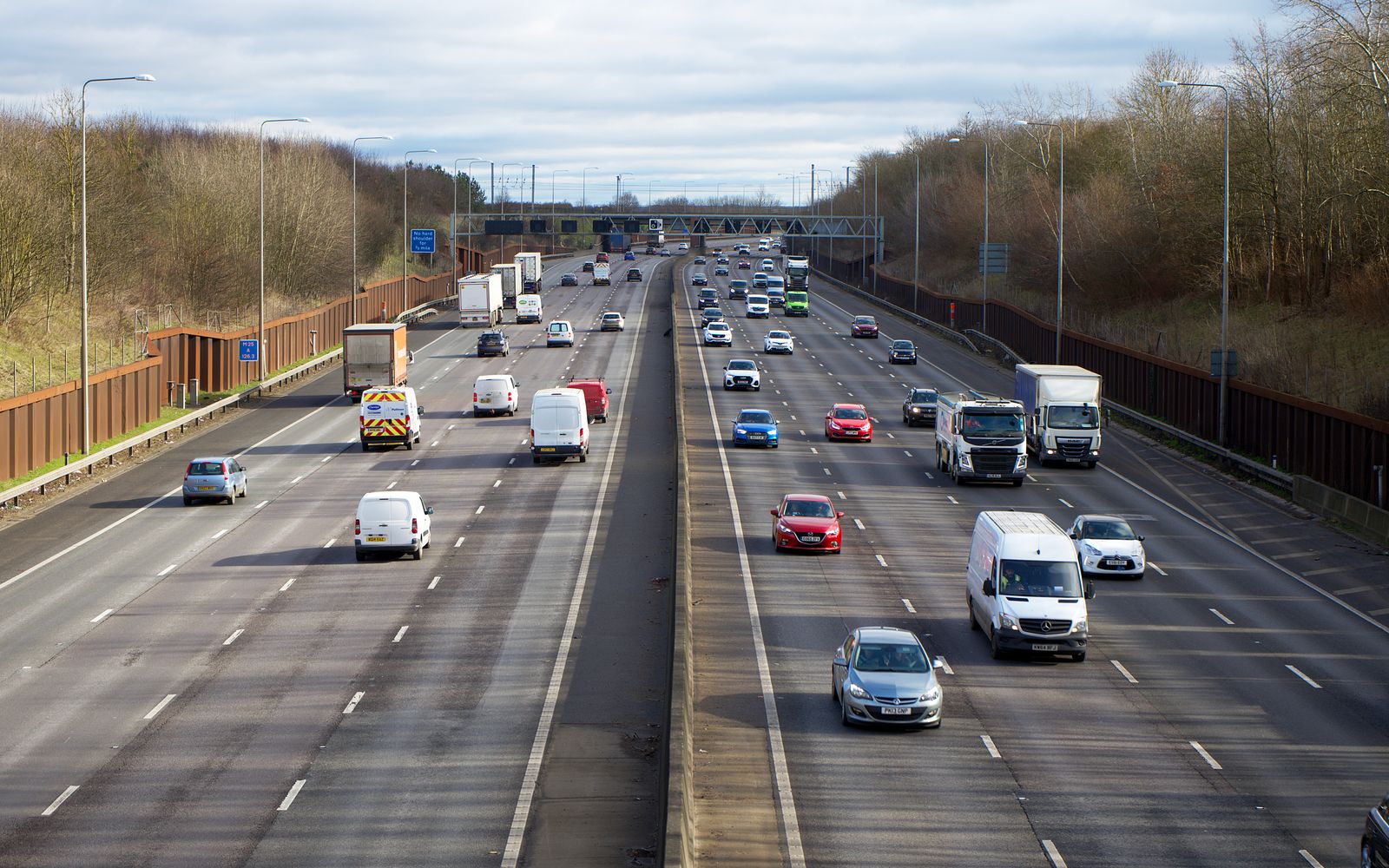
Scotland Itinerary planning: setting time allowances
Resource
Planning Note
Subject
Scotland Itinerary
Focus
Time Allowances
Reviewed
29 August 2026

A Scotland itinerary may combine an airport arrival, city work and longer regional legs over several days. The useful starting point is where the vehicle is positioned, daily duty pattern and luggage continuity, because treating distant regions as adjacent creates unworkable days. A reliable plan records what is known, identifies what still needs confirmation and avoids presenting a best-case estimate as a promise.

This planning note is written for touring parties, executives and planners building a Scottish itinerary. This planning note connects the itinerary, passenger needs and day-of communication in one usable brief. It does not publish a price or guarantee a vehicle model: both depend on the final itinerary, availability and confirmation.

Start with the purpose of Scotland Itinerary — Platinum Chauffeurs

01Section

Start with the purpose of Scotland Itinerary

The first line of the brief should explain why chauffeur travel within a scotland itinerary matters that day. A flight, meeting, ceremony or onward connection creates a different priority from a flexible private journey, even when the addresses are identical.

For setting time allowances, mark the fixed commitment and then protect transitions rather than padding every line equally. This gives the chauffeur team a reason for each timing decision and makes later changes easier to judge.

  • Name the passenger and the person authorised to change the scotland itinerary plan.
  • Write every collection and destination as a full address with the useful entrance detail.
  • State the fixed arrival target separately from the preferred pickup time.
  • Record requests that remain subject to availability and confirmation.
setting time allowances: decisions to settle early — Platinum Chauffeurs

02Section

setting time allowances: decisions to settle early

The central question is where does the schedule need margin. For chauffeur travel within a scotland itinerary, the answer comes from where the vehicle is positioned, daily duty pattern and luggage continuity, not from a generic journey label. These items should be agreed before optional details such as refreshments or presentation preferences.

Where information may change, identify its source and the point at which it will be checked. A flight reference, organiser update or passenger message is more useful than several people forwarding different versions of the same plan.

  • Confirm the itinerary version that the passenger has seen.
  • Choose one live contact for updates affecting scotland itinerary.
  • Separate essential instructions from preferences.
  • Set a review point for details that are not yet final.

Timing, access and communication for Scotland Itinerary — Platinum Chauffeurs

03Section

Timing, access and communication for Scotland Itinerary

Time should be expressed as a range where traffic, clearance or event release can vary. The booking can still carry a firm vehicle-arrival instruction, but it should not confuse that instruction with the moment the passenger will be ready.

Access is equally specific. The correct terminal, hotel door, office entrance, venue zone or handling facility can matter more than the postcode. For chauffeur travel within a scotland itinerary, share the location in words and agree how the chauffeur will identify the meeting point.

  • Allow for loading, walking and security as separate from road time.
  • Keep the passenger contact usable during the meeting or arrival window.
  • Confirm any venue or terminal instruction close to travel.
  • Treat live traffic estimates as planning input, not a guarantee.
Vehicle, passengers and luggage — Platinum Chauffeurs

04Section

Vehicle, passengers and luggage

Vehicle suitability begins with a passenger and luggage inventory. State the number of adults and children, the approximate case sizes, cabin items and anything rigid or unusually shaped. A saloon, MPV or multi-vehicle arrangement should then be confirmed against that real load.

Comfort priorities also belong in the brief. A working passenger may value cabin quiet and easy laptop access; a family may need boarding time and equipment confirmation; an event party may prioritise coordinated arrivals. Specific vehicle make, model, colour and specification remain subject to availability and confirmation.

  • Count cases by size instead of writing only “luggage”.
  • Mention wheelchairs, golf bags, presentation cases or other specialist items.
  • Confirm child-seat or access requests rather than assuming supply.
  • Use more than one vehicle when separation is safer than overloading.

The final confirmation for Scotland Itinerary — Platinum Chauffeurs

05Section

The final confirmation for Scotland Itinerary

A final confirmation should be short enough to check. It needs the passenger names, contacts, addresses, timings, vehicle category, luggage note and the instruction for changes. Attachments can support the plan, but the essential operating detail should not be hidden inside a long email chain.

The last review asks whether treating distant regions as adjacent creates unworkable days. If that risk is still present, add a clear decision point or obtain the missing confirmation. The result is a journey that remains understandable when one timing moves.

  • Check passenger names and mobile numbers.
  • Check every date, local time and address.
  • Check the confirmed capacity and any requested equipment.
  • Check who will communicate a day-of change.

Scotland Itinerary questions

Answered plainly.

If something here is not covered, send the question over. A direct answer is faster than a form.

Begin with the fixed commitment, full addresses, passenger name and working contact. Then confirm where the vehicle is positioned, daily duty pattern and luggage continuity; those details determine whether the rest of the scotland itinerary plan is realistic.

Continue in the knowledge base

Related practical reading.

Continue

Related pages worth reading next.

Detailed chauffeur knowledge

15 planning sections for Scotland Itinerary Time Allowances.

A complete reference covering booking, timing, vehicles, airport movements, business travel, events, long-distance work and the details that should be confirmed before a chauffeur journey.

01SEO Guidance

Choosing the right arrangement for Scotland Itinerary Time Allowances: chauffeur service

Scotland Itinerary Time Allowances journey planning

The working brief for Scotland Itinerary Time Allowances records the fixed commitments, passenger priorities and amount of flexibility before discussing optional preferences. For a chauffeur service arrangement, this order matters because which operating format fits the journey cannot be answered from a vehicle label alone. The itinerary, passenger and access detail provide the practical answer.

Good confirmation language for Scotland Itinerary Time Allowances distinguishes a requested preference from an agreed operating detail. In choosing the right arrangement, that means writing down the fixed commitments, passenger priorities and amount of flexibility. The result is specific without inventing certainty about availability, equipment or a journey duration that can still be affected by traffic and access.

  • Define the journey objective for Scotland Itinerary Time Allowances.
  • Name the passengers for Scotland Itinerary Time Allowances.
  • Identify the fixed time for Scotland Itinerary Time Allowances.
  • Record what remains flexible for Scotland Itinerary Time Allowances.

02SEO Guidance

Building the booking brief for Scotland Itinerary Time Allowances

A useful plan for Scotland Itinerary Time Allowances does not begin with a vehicle; it begins with complete addresses, local times, contacts and special instructions. The same applies to a chauffeur services request. Once what the chauffeur team needs before allocation is answered in the brief, timing and allocation decisions can be made without relying on assumptions.

A final review of building the booking brief asks whether the document clearly records complete addresses, local times, contacts and special instructions. If it does, Scotland Itinerary Time Allowances can absorb a genuine change without losing the original objective. Specific vehicles and equipment are confirmed separately, while road timings remain ranges rather than promises.

  • Use full addresses for Scotland Itinerary Time Allowances.
  • Add entrance details for Scotland Itinerary Time Allowances.
  • Confirm local times for Scotland Itinerary Time Allowances.
  • Name one live contact for Scotland Itinerary Time Allowances.

03SEO Guidance

Professional chauffeur standards for Scotland Itinerary Time Allowances

Scotland Itinerary Time Allowances should be planned around punctuality, presentation, route preparation and appropriate discretion. It is easier to organise as a chauffeur hire arrangement when the passenger, timing and access requirements are recorded before a vehicle is confirmed. The page therefore treats how the service should feel in practice as an operational decision, with the useful answer coming from the itinerary rather than a generic label.

For Scotland Itinerary Time Allowances, the confirmation for professional chauffeur standards should show punctuality, presentation, route preparation and appropriate discretion. That written detail protects the fixed commitment while leaving room for genuine changes. It also keeps availability language honest: requested vehicles and equipment are not promised until confirmed, and journey times remain indicative because traffic, clearance, stops and road conditions can change the result.

  • Confirm the dress expectation for Scotland Itinerary Time Allowances.
  • Agree the meeting method for Scotland Itinerary Time Allowances.
  • Protect passenger privacy for Scotland Itinerary Time Allowances.
  • Keep communication concise for Scotland Itinerary Time Allowances.

04SEO Guidance

Private travel and discretion for Scotland Itinerary Time Allowances

Before Scotland Itinerary Time Allowances is confirmed, the planner has to decide how to keep the journey unobtrusive. A request for a chauffeur UK arrangement is only useful when it records unmarked presentation, limited itinerary access and a quiet cabin, together with the passenger, timing and access requirements. That turns a broad search term into a journey the chauffeur team can actually prepare.

The written plan for private travel and discretion should make unmarked presentation, limited itinerary access and a quiet cabin easy to check. For Scotland Itinerary Time Allowances, this protects the important arrival or departure while keeping flexible parts genuinely flexible. Vehicle requests remain subject to confirmation, and any timing is presented as indicative where traffic, clearance, stops or road conditions can alter it.

  • Share data only as needed for Scotland Itinerary Time Allowances.
  • Confirm the authorised contact for Scotland Itinerary Time Allowances.
  • Avoid public passenger names for Scotland Itinerary Time Allowances.
  • Use one itinerary version for Scotland Itinerary Time Allowances.

05SEO Guidance

Executive and corporate requirements for Scotland Itinerary Time Allowances

The working brief for Scotland Itinerary Time Allowances records meeting priorities, productive cabin time and accountable changes before discussing optional preferences. For a chauffeur London arrangement, this order matters because how the road plan supports a working day cannot be answered from a vehicle label alone. The itinerary, passenger and access detail provide the practical answer.

Good confirmation language for Scotland Itinerary Time Allowances distinguishes a requested preference from an agreed operating detail. In executive and corporate requirements, that means writing down meeting priorities, productive cabin time and accountable changes. The result is specific without inventing certainty about availability, equipment or a journey duration that can still be affected by traffic and access.

  • Order appointments by priority for Scotland Itinerary Time Allowances.
  • Allow for overruns for Scotland Itinerary Time Allowances.
  • Confirm invoicing references for Scotland Itinerary Time Allowances.
  • Protect confidential calls for Scotland Itinerary Time Allowances.

06SEO Guidance

Airport arrival planning for Scotland Itinerary Time Allowances

Scotland Itinerary Time Allowances journey planning

A useful plan for Scotland Itinerary Time Allowances does not begin with a vehicle; it begins with the flight reference, terminal, clearance allowance and passenger contact. The same applies to a luxury chauffeur request. Once how landing becomes a reliable meeting time is answered in the brief, timing and allocation decisions can be made without relying on assumptions.

A final review of airport arrival planning asks whether the document clearly records the flight reference, terminal, clearance allowance and passenger contact. If it does, Scotland Itinerary Time Allowances can absorb a genuine change without losing the original objective. Specific vehicles and equipment are confirmed separately, while road timings remain ranges rather than promises.

  • Confirm the terminal for Scotland Itinerary Time Allowances.
  • Supply the flight reference for Scotland Itinerary Time Allowances.
  • Count checked luggage for Scotland Itinerary Time Allowances.
  • Agree the arrivals meeting point for Scotland Itinerary Time Allowances.

07SEO Guidance

Airport departure planning for Scotland Itinerary Time Allowances

Scotland Itinerary Time Allowances should be planned around the airline requirement, terminal, road range and loading time. It is easier to organise as a luxury chauffeur service arrangement when the passenger, timing and access requirements are recorded before a vehicle is confirmed. The page therefore treats how to set a responsible collection time as an operational decision, with the useful answer coming from the itinerary rather than a generic label.

For Scotland Itinerary Time Allowances, the confirmation for airport departure planning should show the airline requirement, terminal, road range and loading time. That written detail protects the fixed commitment while leaving room for genuine changes. It also keeps availability language honest: requested vehicles and equipment are not promised until confirmed, and journey times remain indicative because traffic, clearance, stops and road conditions can change the result.

  • Work backwards from check-in for Scotland Itinerary Time Allowances.
  • Allow loading time for Scotland Itinerary Time Allowances.
  • Check the terminal for Scotland Itinerary Time Allowances.
  • Protect a traffic margin for Scotland Itinerary Time Allowances.

08SEO Guidance

Meet and greet details for Scotland Itinerary Time Allowances

Before Scotland Itinerary Time Allowances is confirmed, the planner has to decide where passenger and chauffeur will recognise one another. A request for a private chauffeur arrangement is only useful when it records the meeting zone, name-board instruction and live mobile contact, together with the passenger, timing and access requirements. That turns a broad search term into a journey the chauffeur team can actually prepare.

The written plan for meet and greet details should make the meeting zone, name-board instruction and live mobile contact easy to check. For Scotland Itinerary Time Allowances, this protects the important arrival or departure while keeping flexible parts genuinely flexible. Vehicle requests remain subject to confirmation, and any timing is presented as indicative where traffic, clearance, stops or road conditions can alter it.

  • Choose inside or kerbside for Scotland Itinerary Time Allowances.
  • Confirm the displayed name for Scotland Itinerary Time Allowances.
  • Keep the phone available for Scotland Itinerary Time Allowances.
  • State a fallback meeting point for Scotland Itinerary Time Allowances.

09SEO Guidance

Hourly and day hire for Scotland Itinerary Time Allowances

The working brief for Scotland Itinerary Time Allowances records the service window, likely geography and end-of-day commitment before discussing optional preferences. For a private chauffeur service arrangement, this order matters because when one continuous booking is more useful than separate transfers cannot be answered from a vehicle label alone. The itinerary, passenger and access detail provide the practical answer.

Good confirmation language for Scotland Itinerary Time Allowances distinguishes a requested preference from an agreed operating detail. In hourly and day hire, that means writing down the service window, likely geography and end-of-day commitment. The result is specific without inventing certainty about availability, equipment or a journey duration that can still be affected by traffic and access.

  • Set the operating window for Scotland Itinerary Time Allowances.
  • List known stops for Scotland Itinerary Time Allowances.
  • Identify the final commitment for Scotland Itinerary Time Allowances.
  • Explain likely changes for Scotland Itinerary Time Allowances.

10SEO Guidance

Point-to-point transfers for Scotland Itinerary Time Allowances

A useful plan for Scotland Itinerary Time Allowances does not begin with a vehicle; it begins with the correct entrance, readiness time and destination deadline. The same applies to a professional chauffeur request. Once what makes a simple transfer precise is answered in the brief, timing and allocation decisions can be made without relying on assumptions.

A final review of point-to-point transfers asks whether the document clearly records the correct entrance, readiness time and destination deadline. If it does, Scotland Itinerary Time Allowances can absorb a genuine change without losing the original objective. Specific vehicles and equipment are confirmed separately, while road timings remain ranges rather than promises.

  • Confirm both doors for Scotland Itinerary Time Allowances.
  • State passenger readiness for Scotland Itinerary Time Allowances.
  • Allow for loading for Scotland Itinerary Time Allowances.
  • Share the arrival target for Scotland Itinerary Time Allowances.

11SEO Guidance

Long-distance and intercity travel for Scotland Itinerary Time Allowances

Scotland Itinerary Time Allowances journey planning

Scotland Itinerary Time Allowances should be planned around a realistic route range, rest, luggage and the onward or return plan. It is easier to organise as a premium chauffeur service arrangement when the passenger, timing and access requirements are recorded before a vehicle is confirmed. The page therefore treats how a full road journey should be structured as an operational decision, with the useful answer coming from the itinerary rather than a generic label.

For Scotland Itinerary Time Allowances, the confirmation for long-distance and intercity travel should show a realistic route range, rest, luggage and the onward or return plan. That written detail protects the fixed commitment while leaving room for genuine changes. It also keeps availability language honest: requested vehicles and equipment are not promised until confirmed, and journey times remain indicative because traffic, clearance, stops and road conditions can change the result.

  • Plan sensible breaks for Scotland Itinerary Time Allowances.
  • Confirm the full destination for Scotland Itinerary Time Allowances.
  • Describe the return for Scotland Itinerary Time Allowances.
  • Treat map time as indicative for Scotland Itinerary Time Allowances.

12SEO Guidance

Roadshows and multi-stop days for Scotland Itinerary Time Allowances

Before Scotland Itinerary Time Allowances is confirmed, the planner has to decide how several movements remain one controlled itinerary. A request for a chauffeur driven car arrangement is only useful when it records a versioned running order, holding positions and change authority, together with the passenger, timing and access requirements. That turns a broad search term into a journey the chauffeur team can actually prepare.

The written plan for roadshows and multi-stop days should make a versioned running order, holding positions and change authority easy to check. For Scotland Itinerary Time Allowances, this protects the important arrival or departure while keeping flexible parts genuinely flexible. Vehicle requests remain subject to confirmation, and any timing is presented as indicative where traffic, clearance, stops or road conditions can alter it.

  • Use one running order for Scotland Itinerary Time Allowances.
  • Name the decision-maker for Scotland Itinerary Time Allowances.
  • Confirm every entrance for Scotland Itinerary Time Allowances.
  • Protect time between stops for Scotland Itinerary Time Allowances.

13SEO Guidance

Conference and event transport for Scotland Itinerary Time Allowances

The working brief for Scotland Itinerary Time Allowances records manifests, vehicle numbering and an agreed dispatch contact before discussing optional preferences. For a chauffeur driven car hire arrangement, this order matters because how passenger groups reach the right entrance together cannot be answered from a vehicle label alone. The itinerary, passenger and access detail provide the practical answer.

Good confirmation language for Scotland Itinerary Time Allowances distinguishes a requested preference from an agreed operating detail. In conference and event transport, that means writing down manifests, vehicle numbering and an agreed dispatch contact. The result is specific without inventing certainty about availability, equipment or a journey duration that can still be affected by traffic and access.

  • Name each passenger group for Scotland Itinerary Time Allowances.
  • Number the vehicles for Scotland Itinerary Time Allowances.
  • Confirm access instructions for Scotland Itinerary Time Allowances.
  • Plan the departure wave for Scotland Itinerary Time Allowances.

14SEO Guidance

Wedding and private occasion travel for Scotland Itinerary Time Allowances

A useful plan for Scotland Itinerary Time Allowances does not begin with a vehicle; it begins with passenger order, presentation, photography time and venue access. The same applies to a chauffeur car service request. Once how ceremonial movements are protected is answered in the brief, timing and allocation decisions can be made without relying on assumptions.

A final review of wedding and private occasion travel asks whether the document clearly records passenger order, presentation, photography time and venue access. If it does, Scotland Itinerary Time Allowances can absorb a genuine change without losing the original objective. Specific vehicles and equipment are confirmed separately, while road timings remain ranges rather than promises.

  • List every movement for Scotland Itinerary Time Allowances.
  • Name the passengers for Scotland Itinerary Time Allowances.
  • Protect photography time for Scotland Itinerary Time Allowances.
  • Confirm venue access for Scotland Itinerary Time Allowances.

15SEO Guidance

Private aviation ground transport for Scotland Itinerary Time Allowances

Scotland Itinerary Time Allowances should be planned around the handling facility, aircraft reference and passenger handover. It is easier to organise as a chauffeur car hire arrangement when the passenger, timing and access requirements are recorded before a vehicle is confirmed. The page therefore treats how the vehicle coordinates with a private flight as an operational decision, with the useful answer coming from the itinerary rather than a generic label.

For Scotland Itinerary Time Allowances, the confirmation for private aviation ground transport should show the handling facility, aircraft reference and passenger handover. That written detail protects the fixed commitment while leaving room for genuine changes. It also keeps availability language honest: requested vehicles and equipment are not promised until confirmed, and journey times remain indicative because traffic, clearance, stops and road conditions can change the result.

  • Name the FBO or handler for Scotland Itinerary Time Allowances.
  • Share the flight reference for Scotland Itinerary Time Allowances.
  • Confirm the lead passenger for Scotland Itinerary Time Allowances.
  • Check the onward destination for Scotland Itinerary Time Allowances.

Apply the guidance to your journey.

Every journey is quoted to its own requirements. Reservations are confirmed directly with you before travel.

WhatsApp
Get a QuoteWhatsApp